Medexa Trip offers free consultation, transparent medical information, and direct connection to the best Spine Surgery in Iran specialists and accredited hospitals. From initial evaluation to travel arrangements and post operative follow up, their team supports you every step of the way. Stay with us and take the first confident step toward a pain free future.
What Is Spine Surgery?
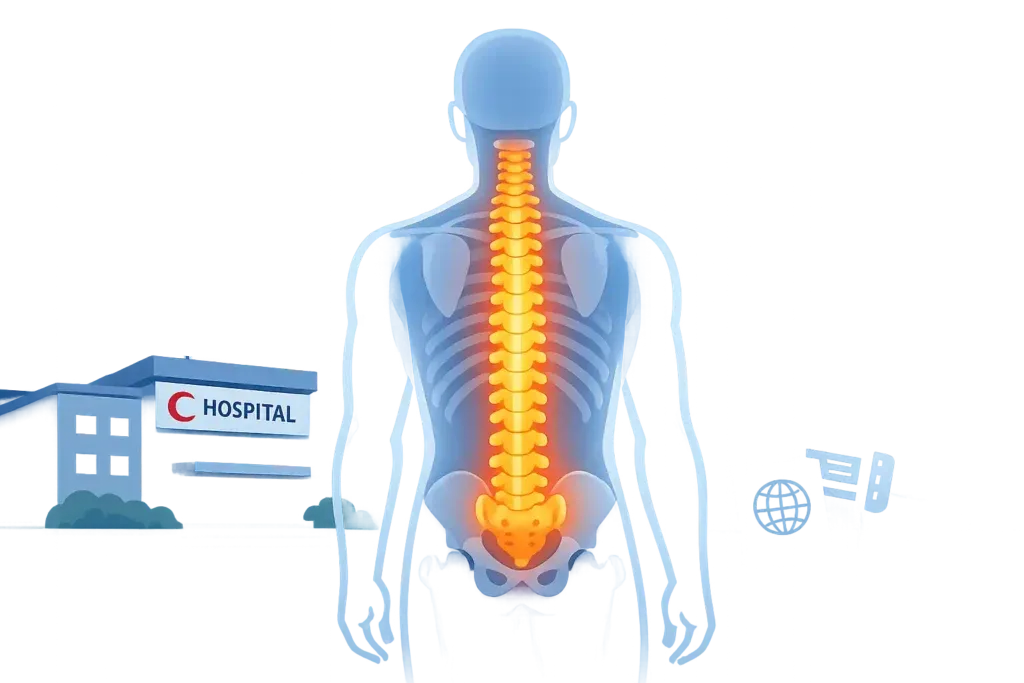
Spine Surgery in Iran has become one of the most sought-after medical procedures for international patients seeking affordable and high-quality treatment. Spine surgery refers to surgical procedures performed on the backbone to treat pain, injuries, or conditions affecting the spinal cord and nerves. These operations help patients who suffer from herniated discs, spinal stenosis, fractures, or degenerative diseases that do not respond to conservative treatments like medication or physical therapy.
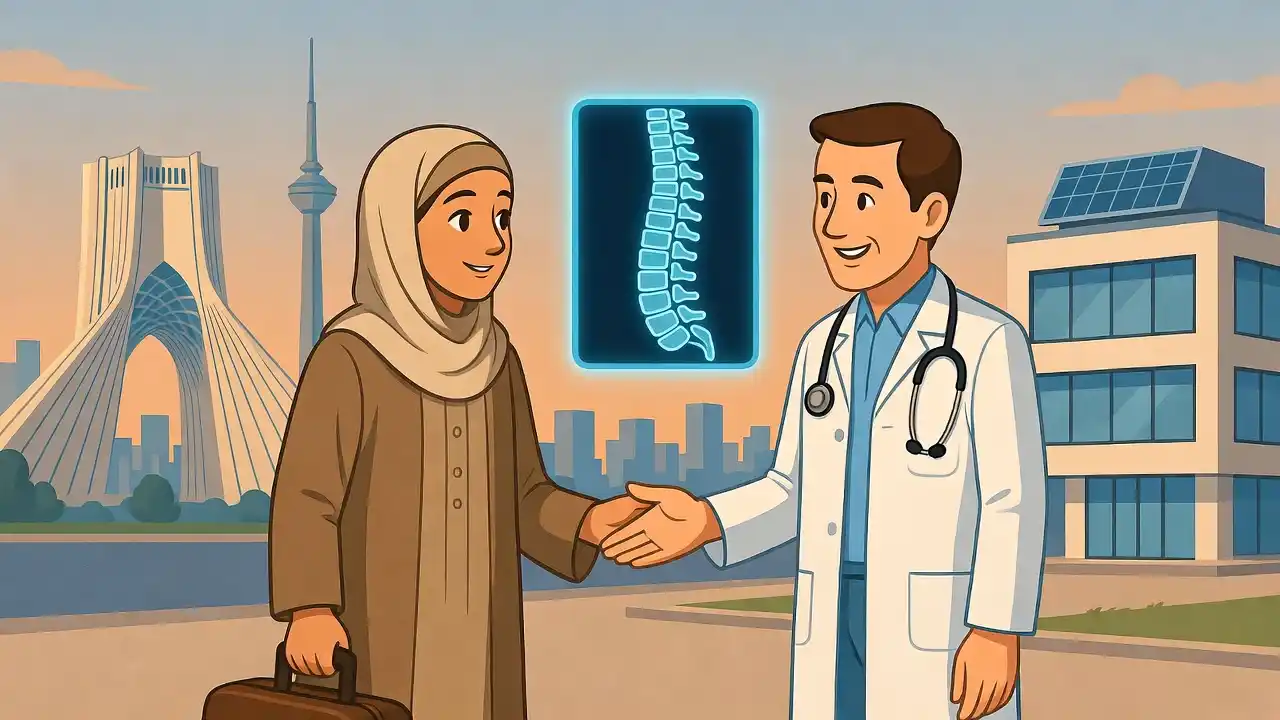
Iran has emerged as a leading destination for medical tourism in the Middle East, offering world-class healthcare at remarkably affordable prices. Cities like Tehran and Ahvaz have become top destinations for spine surgery, equipped with modern hospitals, experienced surgeons, and comprehensive support services for international patients. Medical tourists from Arab countries particularly benefit from the cultural proximity, Arabic-speaking medical staff, and easy access to Iranian healthcare facilities.
Best Spine Surgeons in Iran for Advanced Treatments
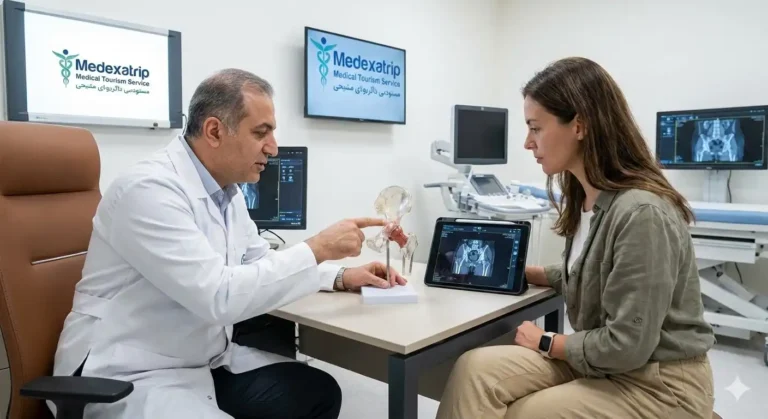
Medexa Trip is one of the trusted medical tourism teams in Iran for patients who need advanced spine care and want a safe, organized journey. We connect you with the best spine surgeon in Iran and highly qualified specialists, including access to an experienced spine surgeon in Ahvaz, based on your MRI results, symptoms, and medical history. Instead of guessing which doctor to choose, you receive a clear medical plan, fast communication, and honest professional guidance so you can make your decision with confidence and clarity.
With Medexa Trip, your treatment is not only about surgery, it is about the complete experience from arrival to full recovery. We arrange specialist consultations, discuss advanced treatment options, and ensure coordinated follow up care after the procedure. Medexa Trip is based in Ahvaz, one of the leading medical cities in Iran known for its skilled physicians, modern hospitals, and strong reputation in specialized treatments, including spine surgery. Our team also supports you with translation services, airport pickup, comfortable accommodation, and step by step assistance throughout your stay, allowing you to focus entirely on healing with peace of mind. Stay with us and take the first step toward expert spine care in Iran.
To explore further, you can direct users to Fleshy nose rhinoplasty in Iran so they understand why cartilage support and aftercare matter more with thicker nasal skin.
Common Spine Surgery Types Explained
| Surgery Type | Purpose | Technique | Recovery Time |
|---|---|---|---|
| Discectomy | Removes herniated disc material pressing on nerves | Can be open or minimally invasive | 2-6 weeks |
| Laminectomy | Removes lamina bone to relieve spinal canal pressure | Decompression surgery for spinal stenosis | 4-8 weeks |
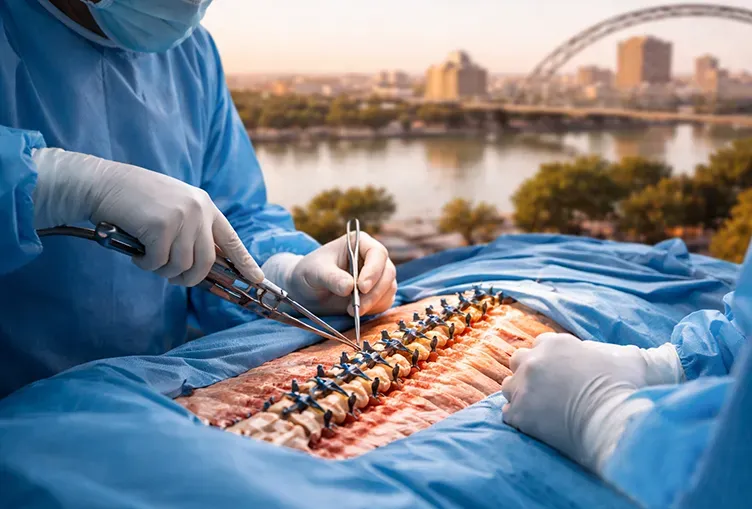
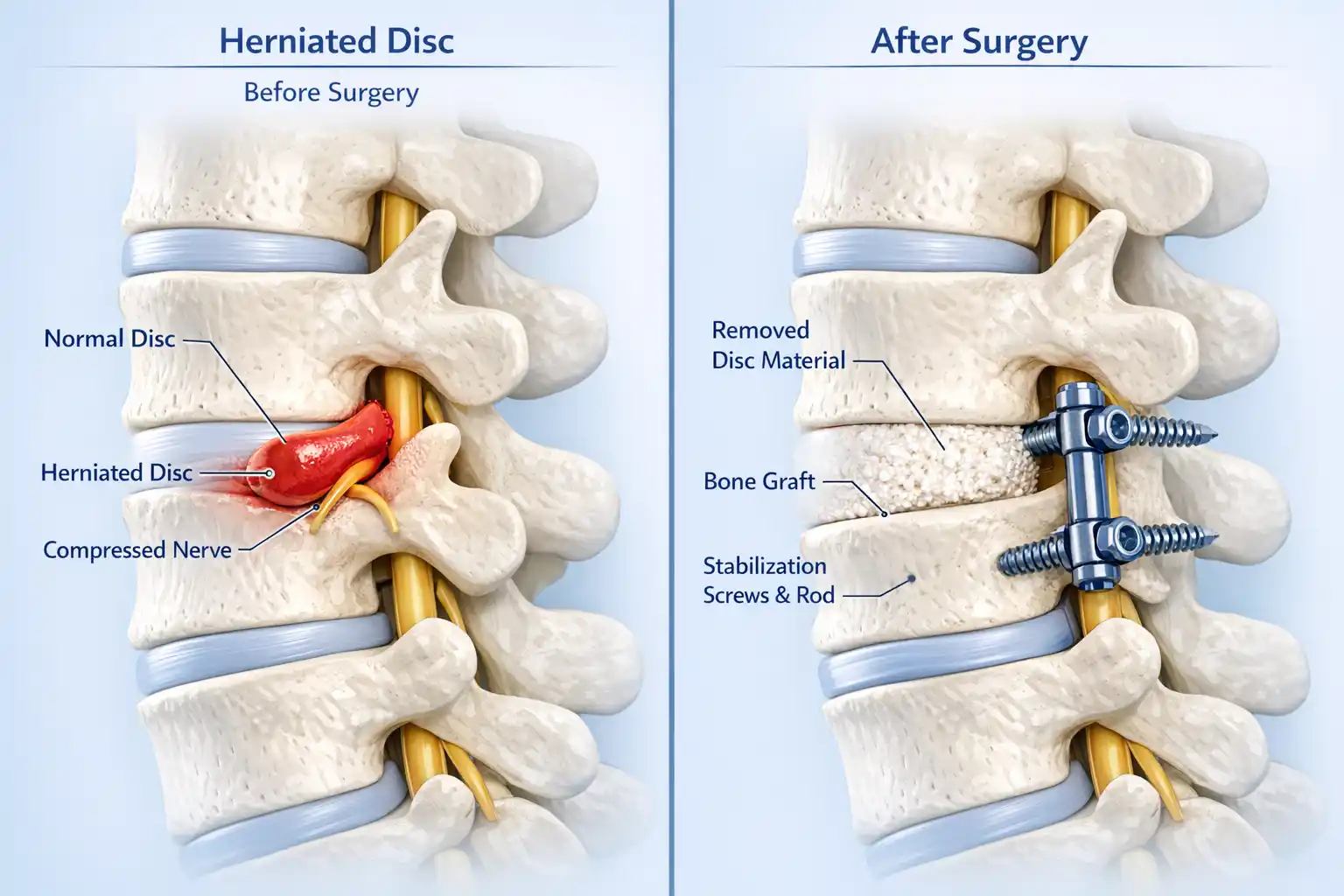
| Spinal Fusion | Joins two or more vertebrae to stabilize spine | May include metal rods, screws, or bone grafts | 3-6 months |
| Artificial Disc Replacement | Replaces damaged disc with artificial implant | Preserves motion in intervertebral discs | 6-12 weeks |
| Foraminotomy | Widens space where nerve exits spinal canal | Relieves pinched nerve pressure | 2-4 weeks |
| Corpectomy | Removes part or all of vertebral body | Decompresses nerves and spinal cord | 8-12 weeks |
| Kyphoplasty | Treats compression fractures from osteoporosis | Balloon inflation followed by cement injection | 1-2 weeks |
Minimally invasive techniques available in Tehran and Ahvaz hospitals use smaller incisions, advanced imaging, and specialized instruments to reduce trauma, resulting in faster recovery and less post-operative pain.
Moreover, if your article mentions intraocular pressure control or long-term vision preservation, sending users to Glaucoma Surgery in Iran helps them explore surgical options in a structured, patient-friendly way.
Spine Surgery in Iran: Overview & Benefits
Iran offers exceptional value for international patients seeking spine surgery. The combination of skilled surgeons, modern facilities, and affordable costs makes it an ideal destination for medical tourism. Patients can benefit from a wide range of procedures, from minimally invasive discectomy and spinal fusion to advanced corrective surgeries for complex spinal deformities. In addition to high quality care, Iran provides personalized support services, including preoperative consultations, post operative follow-up, and assistance with travel and accommodation, ensuring a smooth and stress-free experience for medical tourists.
- Cost Advantages
Spine surgery costs in Iran are significantly lower than Western countries. A lumbar discectomy costs approximately $2,500 in Iran, compared to $15,000-$35,000 in the United States. Knee replacement and other orthopedic procedures average around $2,800, making Iran highly economical even when including travel and accommodation expenses.
- Quality and Expertise
Iranian hospitals maintain international standards with modern diagnostic tools, advanced operating rooms, and experienced medical specialists trained at top universities. Many spine surgeons have decades of clinical experience and speak Arabic or work with professional interpreters to ensure clear communication with Arab patients. Tehran and Ahvaz facilities offer the same quality of care as larger international medical centers but at a fraction of the cost.
- Medical Tourism Support
Iran’s medical tourism infrastructure includes comprehensive services such as visa assistance, airport transfers, hotel arrangements, translation services, and post-operative follow-up care. The cultural hospitality and geographic proximity to Arab countries make travel convenient and comfortable for international patients.
For a deeper look at non-surgical approaches that support tissue repair, you can point readers to PRP in Iran, especially if they’re comparing it with other minimally invasive treatments.
Signs You Might Need Spine Surgery
Recognizing symptoms that may require surgical intervention is important for timely treatment. Consider consulting spine specialists in Iran if you experience:
- Chronic back or neck pain lasting more than 3-6 months despite conservative treatments
- Radiating pain down arms or legs that interferes with daily activities
- Numbness or tingling in extremities indicating nerve compression
- Weakness in limbs affecting mobility or coordination
- Loss of bladder or bowel control requiring urgent evaluation
- Progressive neurological symptoms that worsen over time
- Spinal deformities such as severe scoliosis affecting quality of life
- Failed conservative treatments including physical therapy, medication, and injections
Contact Medexa today to get a clear, personalized spine treatment plan in Iran with no confusion and no wasted time. Send us your MRI or CT report (if available) and a short note about your symptoms, and our team will help you arrange a consultation with a top spine surgeon, explain your options, and organize your trip step by step. Your recovery starts with one message, reach out now, and let Medexa take care of every detail.
Also, when readers worry about swelling, tip refinement, or “natural” results, Fleshy nose rhinoplasty in Iran provides practical context on technique and the longer-term timeline.
Causes of Spine Conditions Requiring Surgery
- Herniated Discs: Disc herniation occurs when the soft inner material of spinal discs pushes through the outer layer, compressing nearby nerves and causing pain, numbness, or weakness.
- Degenerative Disc Disease: Age-related wear causes discs to lose height and cushioning ability, leading to pain and reduced mobility that may require surgical intervention.
- Spinal Stenosis: Narrowing of the spinal canal puts pressure on the spinal cord and nerves, commonly affecting older adults and requiring decompression surgery.
- Vertebral Fractures: Fractures from trauma, osteoporosis, or tumors may need stabilization procedures like kyphoplasty or vertebroplasty available in Iranian hospitals.
- Scoliosis and Spinal Deformities: Abnormal spinal curvature affecting posture and function may require corrective surgery performed by experienced Iranian orthopedic teams.
- Spinal Tumors or Infections: Growths or infections affecting vertebrae or spinal cord require specialized surgical removal and treatment at tertiary care facilities
How Spine Surgery Works in Iran: Step-by-Step
Understanding the surgical process helps international patients prepare for treatment in Iran. Iranian hospitals follow standardized protocols to ensure patient safety and optimal outcomes.
- Initial Consultation and Evaluation – Surgeons review medical history, symptoms, and diagnostic images to determine the best surgical approach
- Pre-Operative Preparation – Patients undergo blood tests, imaging studies, and medical clearance while receiving detailed instructions about surgery day
- Anesthesia Administration – Patients receive general anesthesia to ensure comfort during the procedure performed in modern operating rooms in Tehran or Ahvaz facilities
- .Surgical Incision – Surgeons make incisions using either traditional open techniques or minimally invasive approaches with smaller cuts
- Accessing the Spine – Muscles are carefully moved aside to reach the affected vertebrae, discs, or nerves requiring treatment
- Performing the Procedure – Surgeons remove damaged tissue, decompress nerves, stabilize vertebrae, or insert implants as needed
- Closing the Incision – Layers of tissue are carefully closed, and surgical dressings are applied to promote healing
- Recovery Room Monitoring – Patients are monitored closely in recovery areas before moving to hospital rooms for continued care
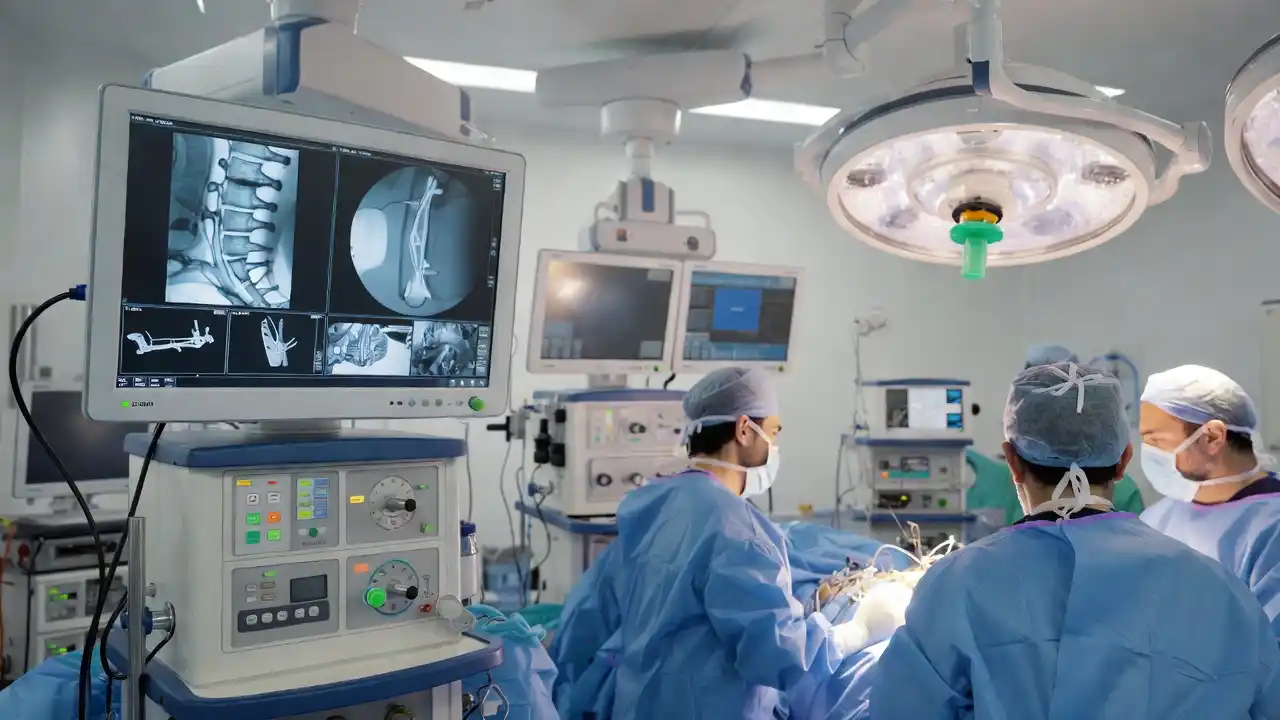
Advanced facilities in Tehran and Ahvaz use modern imaging equipment during surgery to ensure precision and safety throughout the procedure. Ahvaz, in particular, is home to some of Iran’s top medical universities and highly skilled spine surgeons, offering patients access to world-class expertise and innovative surgical techniques. Many international patients report positive experiences thanks to the combination of experienced doctors, state-of-the-art hospitals, and comprehensive support services available in these leading medical cities.
Diagnosing Spine Problems Before Surgery
Accurate diagnosis is essential before proceeding with spine surgery. Hospitals and clinics across Iran provide comprehensive diagnostic services for international patients, offering full pre-surgery evaluation packages designed specifically for medical tourists. These evaluations ensure that surgery is the appropriate treatment option and help surgeons plan the most effective approach for each individual.
Diagnostic methods include:
- Physical examination – Doctors assess range of motion, reflexes, muscle strength, and areas of pain or tenderness
- Neurological testing – Evaluation of nerve function to identify compression or damage affecting sensation and movement
- Medical history review – Comprehensive assessment of symptoms, previous treatments, and overall health status
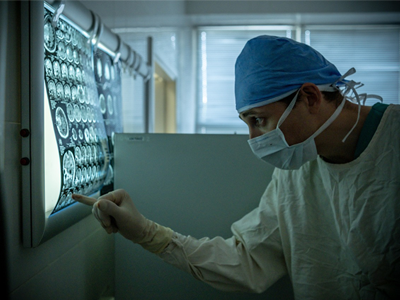
- Imaging studies – Advanced scans to visualize spinal structures and identify specific problems requiring surgical correction
For patients seeking guidance in Iran, Medexa Trip offers specialized support in coordinating these pre-surgery evaluations. Their team connects you with top spine surgeons and accredited hospitals, ensures smooth scheduling of tests and consultations, and provides dedicated assistance throughout your medical journey, so you can feel confident and well-prepared before your procedure.
Imaging Tests for Spine Surgery Evaluation in Iran
Modern imaging technology in hospitals and clinics across Iran provides detailed visualization of spinal structures to guide precise treatment planning. These advanced imaging tests ensure that spine surgeons can accurately diagnose conditions and determine the most effective surgical approach for each patient.
Key imaging modalities in Iran include:
- Magnetic Resonance Imaging (MRI) – Ideal for detecting soft tissue injuries, disc herniation, spinal cord problems, and nerve compression
- Computed Tomography (CT) Scan – Excellent for visualizing bone structures, vertebral fractures, and bony abnormalities
- X-rays – Basic imaging to assess spinal alignment, fractures, and overall bone structure
- Myelography – Specialized imaging using contrast dye to visualize the spinal cord and nerve roots
- Bone scans – Detect infections, tumors, or fractures that may not appear on other imaging studies
MRI is particularly useful for identifying spinal cord abnormalities and disc issues, while CT scans provide detailed views of bone injuries. For international patients, Medexa Trip offers dedicated support in Iran, connecting you with top spine surgeons and accredited hospitals, helping schedule all imaging tests efficiently, and guiding you through the entire pre-surgery evaluation process to ensure a safe and well-prepared treatment journey.
Spine Surgery in Iran: Best Hospitals & Clinics
Iran is a strong choice for spine surgery, with modern hospitals and specialized clinics that treat problems like disc herniation, spinal stenosis, scoliosis, and chronic back pain. Many centers offer advanced imaging, experienced spine surgeons, and up-to-date techniques (including minimally invasive options when suitable), so patients can receive high-quality care with clear medical planning and close follow-up. Choosing the right hospital and doctor is the key step—and that is where Medexa makes the process simple and safe for international patients.
With Medexa, you do not have to manage details alone from another country. We review your MRI/CT and reports, help you choose the best hospital or clinic in Iran for your case, and arrange consultations, scheduling, and treatment plans from start to end. We also organize airport pickup, accommodation, translation, and support during hospital visits, plus aftercare coordination before you return home. Contact Medexa today to get a clear price estimate and a step-by-step plan for your spine treatment in Iran.
Choosing the Right Spine Surgeon in Iran
With Medexa Trip, you can connect directly with the best spine surgeon in Iran and receive guidance throughout your treatment journey. Our team coordinates consultations, evaluates your MRI and medical reports, arranges hospital visits, and supports you with translation, accommodation, and aftercare. By choosing Medexa Trip, international patients can confidently access world-class spine surgery in Iran with a smooth, organized, and safe experience.
To keep the reader moving toward a confident decision, link to Dental Implants vs Bridges where the differences in procedure time and cost are explained without oversimplifying.
Minimally Invasive Spine Surgery Options
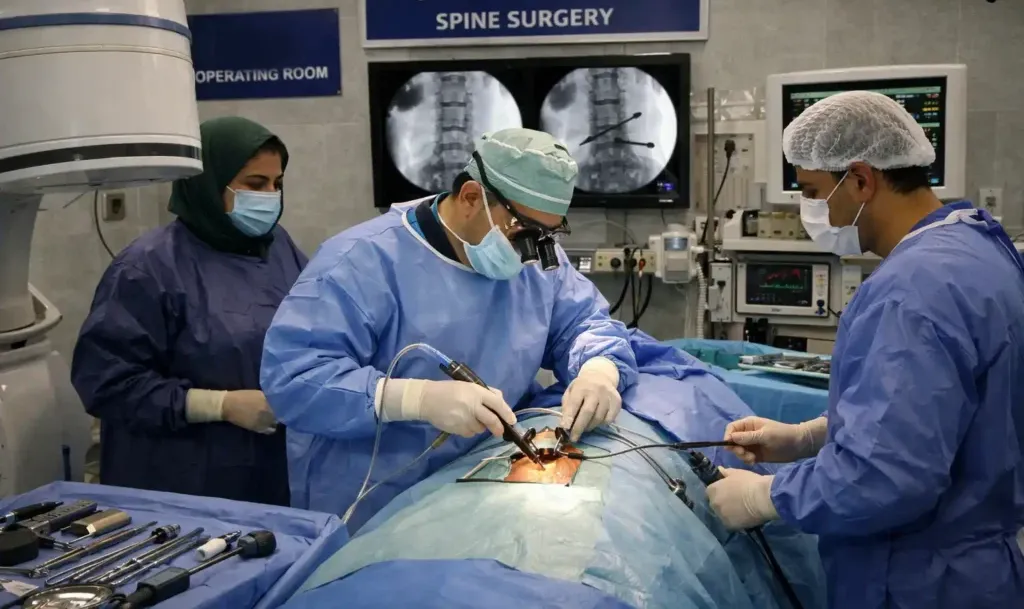
Minimally invasive techniques have transformed spine surgery by reducing trauma and accelerating recovery for patients.
Benefits of minimally invasive approaches:
- Smaller incisions – Typically 1-2 cm compared to 5-6 cm for traditional surgery
- Less muscle damage – Tubular retractors preserve muscle integrity rather than cutting through tissue
- Reduced blood loss – Smaller surgical field minimizes bleeding during procedures
- Lower infection risk – Smaller wounds heal faster with less exposure to potential contamination
- Same-day discharge – Many patients return home within 24 hours after surgery
- Faster recovery – Patients often resume light activities within days to weeks
- Less post-operative pain – Reduced tissue trauma means less discomfort during healing
Tehran and Ahvaz hospitals offer minimally invasive options for discectomy, laminectomy, foraminotomy, and spinal fusion procedures. Surgeons use advanced imaging and specialized instruments to achieve the same results as traditional surgery with significantly less physical impact on the body.
Iranian medical centers have adopted these modern techniques, making them available to international patients at affordable costs compared to Western countries.
Traditional vs. Minimally Invasive Spine Surgery
When it comes to spine surgery, patients often wonder whether to choose traditional open surgery or minimally invasive techniques. Both approaches aim to relieve pain, correct spinal problems, and restore mobility, but they differ in incision size, tissue impact, recovery time, and overall patient experience. Understanding these differences helps patients make informed decisions about their treatment and select the option best suited to their condition. In Iran, experienced surgeons offer both methods, providing high-quality care with modern facilities and advanced technology.
Understanding the differences helps patients choose the most appropriate approach for their condition.
| Factor | Traditional Open Surgery | Minimally Invasive Surgery |
|---|---|---|
| Incision Size | 5-6 cm or larger | 1-2 cm |
| Muscle Damage | Significant cutting and retraction | Minimal disruption using tubular retractors |
| Blood Loss | Moderate to high | Significantly reduced |
| Hospital Stay | 3-5 days typically | Often same day or 24 hours |
| Recovery Time | 8-12 weeks for full recovery | 2-6 weeks for most activities |
| Post-Op Pain | Higher due to tissue trauma | Lower pain levels |
| Scarring | Larger visible scars | Minimal scarring |
| Return to Work | 6-12 weeks | 2-4 weeks for desk work |
| Complication Risk | Higher infection and bleeding risk | Lower overall complication rates |
| Suitability | Complex cases, severe deformities | Most disc and nerve compression cases |
| Cost in Iran | $2,500-$4,000 | $3,000-$5,000 |
Both approaches are available at major Iranian hospitals, and surgeons will recommend the most appropriate technique based on individual patient conditions and anatomy.
Moreover, if you’ve mentioned under-eye hollows, cheeks, or smile lines, Dermal Fillers in Iran gives readers a relevant path to learn about candidacy and results duration.
Risks and Complications of Spine Surgery
- Infection at the surgical site or deeper tissues
- Bleeding during or after the procedure
- Nerve damage causing numbness, weakness, or pain
- Spinal fluid leaks requiring additional treatment
- Blood clots in legs that may travel to lungs
- Failed fusion when bones do not heal together properly
- Adjacent segment disease affecting vertebrae near the surgery site
- Anesthesia complications though rare with modern techniques
The complication rates at major Iranian spine surgery centers are comparable to international standards, with minimally invasive techniques showing even lower risk profiles.When readers are researching resurfacing or pigmentation solutions, Skin Laser in Iran can extend the discussion by explaining how laser goals differ based on skin concern.
Preparing for Spine Surgery in Iran
Proper preparation is essential for achieving the best surgical outcome and a smooth recovery for international patients. Key pre-surgery steps include:
- Medical evaluation – Complete physical examination, blood tests, and cardiac clearance
- Medication review – Discuss current medications; some may need to be stopped before surgery
- Smoking cessation – Stop smoking at least 4 weeks before surgery to improve healing
- Weight optimization – Maintain a healthy weight to reduce surgical risks
- Pre-operative imaging – Final MRI or CT scans to guide surgical planning
- Travel arrangements – Coordinate flights, accommodation, and airport pickup
- Fasting requirements – No food or drink after midnight before surgery day
- Arrange post-surgery care – Plan for assistance during the initial recovery period
- Pack essentials – Bring comfortable clothing, medical records, and prescribed medications
With Medexa Trip, international patients in Iran receive comprehensive support throughout the entire process. The team offers free online consultation, reviews your MRI and medical history, and coordinates directly with the best spine surgeons and hospitals in Iran. They also arrange translation services, hotel accommodation, airport transfer, and provide step-by-step guidance before, during, and after surgery. From pre-operative preparation to post-surgery follow-up, Medexa Trip ensures a smooth, stress-free experience so you can focus entirely on your recovery.
When discussing mobility and chronic joint pain, it’s useful to provide a concrete next step for advanced cases; Hip Replacement in Iran gives readers an overview of when replacement becomes the right conversation.
Spine Surgery Recovery Timeline in Iran
Understanding the recovery process helps patients set realistic expectations and plan their medical tourism journey.
- Week 1-2: Hospital stay of 1-5 days depending on procedure type. Pain management with medications. Early mobilization with assistance. Basic wound care instructions.
- Week 3-4: Gradual increase in walking and light activities. Continued pain management with decreasing medication needs. Follow-up appointment with surgeon to check healing.
- Week 5-8: Begin physical therapy exercises to strengthen back muscles. Return to light desk work for many patients. Increased independence in daily activities.
- Week 9-12: Progressive improvement in strength and mobility. Many patients return to normal activities with some restrictions. Continued physical therapy.
- Month 4-6: Most patients achieve significant recovery milestones. Return to more physically demanding work. Fusion procedures may require longer healing time.
- Beyond 6 months: Full recovery for most minimally invasive procedures. Traditional fusion surgeries may take up to one year for complete bone healing.
Tehran and Ahvaz hospitals provide physical therapy facilities and rehabilitation programs for medical tourists during their stay. For international patients, surgeons provide detailed recovery instructions and offer telemedicine follow-up appointments after returning home.
When couples are comparing cross-border fertility care, a dedicated resource like IVF in Iran & Iraq keeps them engaged by laying out the steps, timeline, and decision factors in one place.
Pain Management After Spine Surgery
Effective pain control is essential for comfortable recovery and successful rehabilitation.
Pain management approaches used in Iranian hospitals:
- Intravenous medications – Strong pain relievers administered directly into bloodstream during initial hospital stay
- Oral pain medications – Prescription painkillers and anti-inflammatory drugs for home use
- Muscle relaxants – Reduce muscle spasms around surgical site
- Nerve pain medications – Specific drugs for nerve-related discomfort
- Ice therapy – Cold packs to reduce swelling and inflammation
- Positioning techniques – Proper body alignment to minimize pain
- Physical therapy – Gentle exercises to reduce stiffness and promote healing
Tehran and Ahvaz clinics use multimodal pain management approaches that minimize opioid dependence while ensuring patient comfort. International patients receive clear instructions about pain medication use and warning signs requiring medical attention. Most patients experience decreasing pain levels over the first 2-4 weeks as healing progresses.
Physical Therapy After Spine Surgery
Physical therapy plays a crucial role in recovery after spine surgery, helping patients regain strength, flexibility, and mobility while reducing pain and stiffness. Tailored exercise programs are designed to target specific muscles, improve posture, and support proper spinal alignment. In Iran, experienced physiotherapists work closely with surgeons to provide individualized rehabilitation plans, combining guided exercises, manual therapy, and education on safe movement techniques. With consistent physical therapy, patients can accelerate healing, restore daily function, and achieve long-term spine health.
Physical therapy components:
| Phase | Timing | Activities | Goals |
|---|---|---|---|
| Early Recovery | Week 1-2 | Gentle walking, breathing exercises | Prevent complications, maintain circulation |
| Initial Rehab | Week 3-6 | Basic stretching, core activation | Restore flexibility, engage muscles |
| Active Rehab | Week 7-12 | Strengthening exercises, posture training | Build strength, improve function |
| Advanced Rehab | Month 4-6 | Progressive resistance, functional training | Return to activities, prevent recurrence |
Iranian hospitals provide comprehensive rehabilitation services with modern equipment and experienced therapists. Major facilities in Tehran and Ahvaz offer physical therapy programs specifically designed for spine surgery patients
Medical tourists can begin therapy during their stay in Iran and receive home exercise programs to continue after returning home. Surgeons coordinate with local physical therapists in patients’ home countries for ongoing care.
Success Rates of Spine Surgery in Iran
Iranian spine surgery centers achieve excellent outcomes comparable to international medical centers.
Success rates for common spine procedures in Iran range from 80-95% depending on the specific condition and surgical technique. Discectomy for herniated discs shows success rates above 90%, with most patients experiencing significant pain relief and improved function. Spinal fusion procedures achieve solid bone healing in 85-90% of cases when patients follow post-operative protocols properly.
Minimally invasive techniques demonstrate particularly high success rates with lower complication risks and faster return to normal activities. Iranian hospitals track patient outcomes and maintain quality standards that attract thousands of medical tourists annually.
Patient satisfaction rates at top Tehran and Ahvaz facilities exceed 85%, with international patients particularly appreciating the combination of skilled surgeons, modern facilities, and affordable costs. Many Arab patients choose Iran for spine surgery due to the high success rates, cultural hospitality, and comprehensive medical tourism support services.
Get expert spine surgery consultation with the best spine surgeons in Iran through Medexa Trip, your trusted medical tourism agency, providing full support from planning to treatment and recovery.

Cost of Spine Surgery in Iran
Spine surgery in Iran offers an exceptional balance of world-class quality and affordability. Many international patients are surprised at how much they can save without compromising care. The lower cost does not reflect inferior quality or inexperienced surgeons—far from it. Iranian spine surgeons are highly trained, many internationally recognized, and perform procedures using the same advanced techniques and materials as in Europe, the USA, or other leading countries. Hospitals in Iran are equipped with modern operating rooms, imaging equipment, and, when necessary, premium implants and prosthetics sourced from top global manufacturers. Patients benefit from a full-service medical tourism experience including pre-operative consultations, hospital care, translation, accommodation, and post-operative follow-up.
Compared to other countries, Iran provides world-class spine surgery at a fraction of the cost, making it an attractive destination for patients seeking both excellence and value.
| Country | Average Spine Surgery Cost (USD) |
|---|---|
| Iran | 3,000 – 8,000 |
| Europe | 20,000 – 50,000 |
| Turkey | 8,000 – 15,000 |
| USA | 50,000 – 120,000 |
| China | 15,000 – 30,000 |
| UAE | 25,000 – 60,000 |
With Medexa Trip, you can access the best spine surgeons in Iran while enjoying these cost advantages. Our team coordinates every detail—from free online consultation and medical evaluation to hospital scheduling, translation, hotel accommodation, and airport transfer—ensuring a safe, high-quality, and fully supported treatment journey in Iran.
How Medical Tourism Supports Spine Surgery Patients in Iran
Iran has developed robust medical tourism infrastructure specifically designed to support international patients seeking spine surgery and other treatments.
Iranian hospitals and medical tourism agencies provide end-to-end support that makes the treatment journey seamless for Arab patients. The combination of geographic proximity to neighboring countries, cultural familiarity, and Arabic-speaking medical staff creates a comfortable environment for international patients.
Comprehensive services include:
- Visa assistance – Help obtaining medical visas through hospital sponsorship
- Travel coordination – Airport pickup, hotel bookings, and local transportation
- Translation services – Arabic interpreters for medical consultations and daily needs
- Treatment planning – Pre-arrival telemedicine consultations and surgical scheduling
- Accommodation – Hotel arrangements near hospitals or in-hospital guest facilities
- Post-operative care – Follow-up appointments, physical therapy, and recovery monitoring
- Medical record management – Translation and transfer of all medical documents
- 24/7 support – Emergency contact services for international patients
- Family support – Assistance for accompanying family members during treatment stay
Tehran and Ahvaz medical tourism offices coordinate all aspects of care, allowing patients to focus on recovery rather than logistics.
FAQs About Spine Surgery in Iran
How long should I plan to stay in Iran for spine surgery?
Most patients need 5-10 days total, including 1-3 days in hospital and several days for follow-up appointments before returning home. Minimally invasive procedures may allow shorter stays.
Do Iranian spine surgeons speak Arabic or English?
A: Many surgeons speak English, and most major hospitals provide Arabic translation services for medical tourists from Arab countries.
Is the quality of spine surgery in Iran comparable to Western countries?
Yes, major Iranian hospitals use modern equipment and surgeons trained to international standards, with success rates comparable to Western medical centers.
What payment methods are accepted?
Most hospitals accept cash payments in USD, EUR, or Iranian Rial. Some facilities may accept bank transfers or credit cards through medical tourism agencies.
Can I get post-operative care after returning home?
Yes, Iranian surgeons provide detailed instructions and medical records, and many offer telemedicine follow-up consultations. They can also coordinate with local doctors in your home country.
What if complications occur after I return home?
Hospitals provide 24/7 emergency contact numbers for international patients and can advise on local treatment if complications arise.
Are minimally invasive options available for all spine conditions?
Most common conditions like herniated discs and spinal stenosis can be treated with minimally invasive techniques, but complex cases may require traditional surgery.
How much money can I save by having spine surgery in Iran?
International patients typically save 85-90% compared to USA costs, even including travel and accommodation expenses.
With Medexa Trip, you can benefit from free online consultation, full coordination with the best spine surgeon in Iran, hospital arrangements, translator services, hotel accommodation, and airport transfer, as well as complete support before and after surgery, ensuring a fully safe and comfortable medical travel experience.
Spine Surgery in Ahvaz: Trusted Hospitals and Specialists
Ahvaz has become an increasingly popular destination for spine surgery, especially for patients from neighboring Arab countries seeking convenient access to quality healthcare.
Ahvaz has several strong options for spine care, including large public hospitals with advanced surgical departments, modern imaging and diagnostic equipment, and experienced spine teams for routine and complex operations. The city also has a major referral center that treats difficult cases such as trauma, spine tumors, and severe deformities that need specialized surgery. For patients who prefer a more private setting, Ahvaz offers comfortable private clinics focused on international patient services, often with Arabic-speaking staff, plus modern medical centers that provide a full range of spine treatments, including minimally invasive techniques when suitable.
Patient testimonials consistently praise Ahvaz facilities for their combination of skilled surgeons, modern equipment, affordable pricing, and warm hospitality that makes Arab patients feel welcomed and well-cared for during their treatment journey.