
Bone vs. Cartilage Nose Surgery: Which One Is Right for You?
Are you thinking about rhinoplasty but wondering whether a bone nose or a cartilage nose can give you the results you dream of? Many people ask: Will it look natural? How long does the recovery take? Which type is less painful? Can my nose shape really improve? Choosing between a bone nose and a cartilage nose surgery can feel confusing, especially with so many opinions online. Each type has its own benefits, healing process, and suitability depending on your nasal structure, skin thickness, and aesthetic goals. Some worry about swelling or scars, while others want long-lasting, dramatic results. Understanding the differences can help you feel confident and prepared for your procedure.
Bone nose surgeries are generally more stable, ideal for those seeking structural correction, sharper angles, or reshaping of the bridge. Cartilage nose surgeries are often gentler, better for soft noses or people with thicker skin, and can provide a smoother, natural-looking contour. Recovery times, pain levels, and long-term outcomes differ, making it essential to match the surgery to your unique anatomy and expectations.
For anyone looking for world-class rhinoplasty in Iran, Medexa Trip, the leading medical tourism company in Iran, connects you with the best and most experienced nose surgeons. You can get a free consultation to assess your nose type, discuss the right procedure for you, and plan your surgery with confidence in Iran’s top clinics.
Bony vs Fleshy Nose: Key Differences in Rhinoplasty
Are you considering rhinoplasty but unsure how your nose type affects the results? A bony nose and a fleshy nose behave differently during surgery, which can impact shaping, recovery, and overall aesthetics. Understanding these differences helps you set realistic expectations and choose the best approach for your unique nose. Here’s a simple, practical comparison to guide you through the key aspects of each type.
- Structure & Skin Thickness
- Bony Nose: Thin skin, prominent bone and cartilage framework; ideal for precise reshaping and sharper angles.
- Fleshy Nose: Thicker skin with softer cartilage; natural rounding and smoother contours, but challenging for sharp definition.
- Surgical Approach
- Bony Nose: Can allow more aggressive reshaping of the bridge and tip, often easier to refine angles.
- Fleshy Nose: Requires careful cartilage modification and tip support to avoid bulkiness, sometimes combined with grafts.
- Expected Results
- Bony Nose: More predictable, well-defined, and long-lasting results.
- Fleshy Nose: Natural, softer look; may require subtle adjustments and patience for final results.
- Recovery & Swelling
- Bony Nose: Swelling usually resolves faster; defined structure is visible sooner.
- Fleshy Nose: Swelling can persist longer; final contour may take months to settle.
- Ideal Candidates
- Bony Nose: People wanting dramatic reshaping, narrow bridge, or sharper nasal tip.
- Fleshy Nose: Individuals seeking gentle contouring, natural curves, or correction of fullness.
- Surgical Complexity
- Bony Nose: Moderate to advanced techniques depending on bone structure.
- Fleshy Nose: Often more delicate work due to thicker skin and soft cartilage.
- Longevity of Results
- Bony Nose: Highly durable, maintains shape over time.
- Fleshy Nose: Stable but may soften slightly; sometimes touch-ups are considered.
For anyone interested in achieving the best rhinoplasty results, Medexa Trip in Iran connects you to the most experienced nose surgeons, offering personalized guidance and free consultations to determine the ideal approach for your nose type.
How Rhinoplasty Differs for Bony and Fleshy Noses?
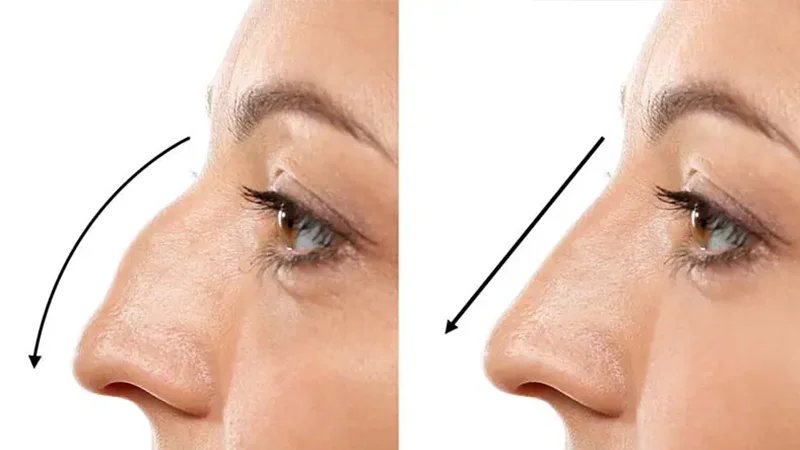
Are you curious how your nose type affects your rhinoplasty results? In 2026, surgeons recognize that bony noses and fleshy noses need different approaches for the best outcome. A bony nose usually has thin skin and strong bone and cartilage, which allows for sharper reshaping and defined angles. A fleshy nose, on the other hand, has thicker skin and softer cartilage, which requires careful contouring and sometimes extra support to achieve a natural, balanced look. Patients often ask: Will my nose heal fast? Will it look natural? Can I get the shape I want? The answers depend on the nose type, surgical method, and the surgeon’s experience.
Recovery, swelling, and the final shape also vary. Bony noses often show results sooner and maintain sharp definition, while fleshy noses may need more time for swelling to settle and for the natural shape to appear. Surgeons use different techniques, grafts, and careful shaping to match each patient’s goals. Understanding these differences helps you plan realistic results and reduces surprises after surgery.
For anyone planning to have rhinoplasty in Iran, Medexa Trip connects you with the most skilled and experienced nose surgeons, top hospitals, and full care services. Patients benefit from advanced techniques, excellent results, and highly competitive costs, making Iran a leading destination for safe, natural, and affordable rhinoplasty in 2026.
Key Points: Rhinoplasty for Bony vs Fleshy Noses (2026)
- Bony Nose: Thin skin, strong bone/cartilage, allows sharper reshaping and defined angles.
- Fleshy Nose: Thicker skin, soft cartilage, requires careful contouring and sometimes grafts for natural results.
- Recovery: Bony noses show results sooner; fleshy noses may need more time for swelling to settle.
- Final Shape: Depends on nose type, surgical method, and surgeon’s skill.
- Patient Concerns: Healing time, natural appearance, achieving desired shape.
- Iran Advantage: Medexa Trip connects you with top surgeons, modern hospitals, full care, and competitive costs.
Rhinoplasty Techniques for Bony and Fleshy Noses
Choosing the right rhinoplasty technique depends largely on whether you have a bony or fleshy nose. Bony noses benefit from techniques that allow precise bone and cartilage reshaping, creating sharp angles and a defined bridge. Fleshy noses, with thicker skin and softer cartilage, require more delicate methods, often using grafts or specialized suturing to achieve a smooth, natural contour. The best results come when surgeons match the technique to the patient’s nose type, desired shape, and skin characteristics.
| Nose Type | Recommended Techniques | Advantages | Considerations |
|---|---|---|---|
| Bony Nose | Traditional Rhinoplasty, Osteotomy | Sharp definition, predictable results, durable | Slightly longer surgery, precise planning needed |
| Fleshy Nose | Tip Plasty, Cartilage Grafts, Suturing Techniques | Smooth, natural look, avoids excessive bulk | Requires careful shaping, swelling may last longer |
| Both Types | Closed or Open Rhinoplasty | Personalized approach, minimal visible scarring | Depends on surgeon skill and nose structure |
Key Points to Remember
- Bony noses allow more aggressive reshaping; fleshy noses need careful contouring.
- Recovery times differ: bony noses often heal faster; fleshy noses may take longer to settle.
- Technique choice affects final shape, density, and natural appearance.
- Surgeons may combine techniques for optimal results, especially in complex cases.
For world-class rhinoplasty results in Iran, Medexa Trip, best health tourism in Iran connects you with highly experienced surgeons, modern hospitals, and full patient care, ensuring safe, natural, and cost-effective nose surgery tailored to your unique nose type.
Bony vs Fleshy Nose: Which One Is Easier to Operate On?
Are you wondering whether a bony or fleshy nose is easier to operate on? In general, bony noses are considered more straightforward for surgeons because the thin skin and strong bone/cartilage framework allow precise reshaping, clear definition, and predictable results. Surgeons can adjust the bridge, tip, and angles with confidence, and post-operative swelling often resolves faster.
Fleshy noses, however, present more challenges. Thick skin and softer cartilage make it harder to achieve sharp definition or maintain structural support. Surgeons often need to use cartilage grafts or special suturing techniques to refine the tip and create a balanced contour. Healing may take longer, and subtle asymmetries can appear if the procedure isn’t carefully planned.
One of Iran’s top specialists says: “Fleshy noses require patience and precise shaping, but with the right techniques, the results can be just as natural and beautiful as with bony noses. Success entirely depends on customizing the approach to the patient’s anatomy.”
Understanding these differences helps you set realistic expectations, plan for recovery, and choose the surgeon and technique that best match your nose type. For anyone seeking expert rhinoplasty in Iran, Medexa Trip connects you with top surgeons, modern clinics, and full care services, ensuring safe, natural, and high-quality results at competitive costs.
Bony vs Fleshy Nose: Which Nose Type Heals Faster?
Healing speed after rhinoplasty in 2026 depends largely on nose type, skin thickness, and surgical technique. Generally, bony noses heal faster because thin skin allows swelling to subside quickly, and the rigid bone structure supports precise shaping. Fleshy noses, with thicker skin and softer cartilage, often experience more prolonged swelling and require careful monitoring to achieve smooth, natural contours. Recovery also depends on factors like post-operative care, surgeon skill, and whether grafts or advanced techniques were used. Understanding how your nose type affects healing can help you plan downtime and manage expectations for the best long-term results.
Key Healing Considerations by Nose Type:
- Bony noses usually show visible improvement within 1–2 weeks.
- Fleshy noses may take several months for final shape to appear.
- Swelling resolves faster in areas with thin skin and firm cartilage.
- Grafts or sutures in fleshy noses can extend recovery time slightly.
- Following surgeon’s care instructions significantly improves healing speed.
- Individual factors like age, skin elasticity, and lifestyle affect recovery.
- Minimally invasive techniques tend to reduce downtime for both nose types.
- Patients with bony noses often require fewer follow-up adjustments.
- Fleshy noses may benefit from gradual contouring and careful massage post-surgery.
- Choosing a surgeon experienced with your specific nose type ensures faster and smoother healing.
For anyone planning rhinoplasty in Iran, Medexa Trip connects you with the most experienced surgeons, modern clinics, and full patient care, providing safe, natural, and cost-effective recovery in 2026.
Comparing Recovery: Bony Nose vs Fleshy Nose Surgery
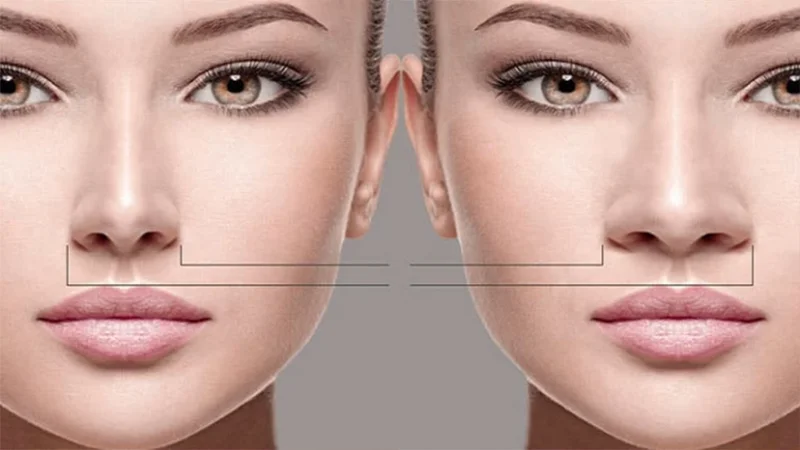
Recovery after rhinoplasty can vary significantly depending on whether you have a bony or fleshy nose. Bony noses generally heal faster because the skin is thin, and the strong bone and cartilage provide stable support for reshaping. Swelling tends to subside more quickly, and the final nose shape often becomes visible sooner. Patients with bony noses usually experience minimal bruising and can resume normal daily activities within 1–2 weeks, although complete healing can take several months.
Fleshy noses, on the other hand, require more time and careful post-operative care. Thick skin and softer cartilage can retain swelling longer, and the tip may take months to settle into its final shape. Surgeons often use cartilage grafts or specialized suturing to maintain structure, which can extend recovery slightly. Patience, proper care, and follow-up visits are crucial to achieving natural, balanced results.
“Fleshy nose rhinoplasty in Iran offers high‑quality, natural‑looking results at a fraction of the cost compared to Western countries, thanks to the expertise of Iranian surgeons and advanced clinical techniques tailored to thicker skin and softer cartilage.”
Key Recovery Points by Nose Type:
- Bony noses: faster reduction of swelling and bruising.
- Fleshy noses: gradual settling of tip and bridge, may take months.
- Swelling control: cold compresses and elevation help both types.
- Pain and discomfort: generally mild with modern anesthesia, slightly higher in fleshy noses.
- Activity resumption: light activities after 1–2 weeks; full exercise after 4–6 weeks.
- Graft use: more common in fleshy noses, affecting healing timeline.
- Scarring: minimal in closed techniques for both types.
- Long-term results: patience ensures optimal definition and natural contours.
- Surgeon skill: critical for both nose types, especially for fleshy noses.
- Follow-up care: essential to monitor swelling, support grafts, and ensure symmetry.
For anyone planning rhinoplasty in Iran, Medexa Trip connects you with some of the best specialists and clinics, ensuring natural, safe, and cost-effective recovery tailored to your nose type.
Bony or Fleshy Nose: Choosing the Right Surgical Approach
If you’re new to rhinoplasty, understanding whether your nose is bony or fleshy is essential for choosing the right surgical approach. Bony noses, with thin skin and strong cartilage, allow surgeons to perform more precise reshaping, reduce swelling faster, and create defined angles. Fleshy noses, with thicker skin and softer cartilage, require gentler techniques, often using cartilage grafts or specialized sutures to support the tip and maintain balance. The right approach depends not only on nose type but also on your facial features, desired shape, and healing expectations. Selecting an experienced surgeon familiar with both nose types is key to achieving natural, long-lasting results and minimizing complications.
Important Points for Choosing the Surgical Approach:
- Bony noses: easier to sculpt sharp bridges and tips.
- Fleshy noses: need careful contouring to avoid bulbous or heavy appearance.
- Skin thickness influences swelling duration and final shape visibility.
- Cartilage strength determines whether grafts or sutures are necessary.
- Recovery time varies: bony noses usually faster, fleshy noses slower.
- Personalized technique ensures symmetry and natural results.
- Surgeons may combine open and closed approaches depending on complexity.
- Pre-surgery evaluation is critical to measure angles, projection, and facial harmony.
- Post-operative care like ice, elevation, and follow-ups improves healing.
- Patient expectations must be realistic for each nose type.
Best Rhinoplasty Techniques for Bony vs Fleshy Noses
| Nose Type | Recommended Techniques | Why It’s Suitable |
|---|---|---|
| Bony Nose | Open Rhinoplasty, Closed Rhinoplasty, Finesse Tip Refinement | Thin skin and strong bone/cartilage allow precise reshaping, sharp definition, and faster healing. Ideal for tip refinement and bridge adjustments. |
| Fleshy Nose | Open Rhinoplasty with Cartilage Grafts, Suture Techniques, Tip Support Procedures | Thick skin and soft cartilage require grafting and delicate shaping to avoid bulbous tip and maintain structure; slower swelling reduction. |
| Both Types | 3D Planning, Ultrasound-Guided or Advanced Imaging Techniques | Personalized planning ensures symmetry, optimal angles, and natural outcomes regardless of nose type. |
This comparison helps patients understand which surgical methods are most effective for their nose type and why technique selection is critical for natural, long-lasting results.
Bony vs Fleshy Nose: What Patients Need to Know
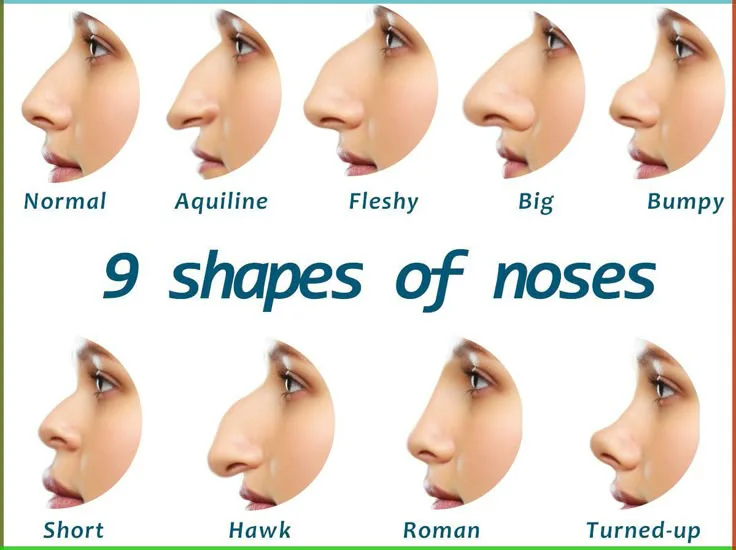
Understanding whether your nose is bony or fleshy is one of the most important steps in planning a successful rhinoplasty. Bony noses, with their thin skin and firm cartilage, allow surgeons to create sharper bridges and refined tips, but even small miscalculations can result in an unnatural appearance. Fleshy noses, on the other hand, have thicker skin and softer cartilage, which can make tip definition and overall shaping more challenging; careful grafting and precise suturing are often required to maintain structure and achieve a balanced result. One of the best specialists in Iran explains, “The key to natural results is tailoring every step of the surgery to the patient’s unique anatomy. Whether the nose is bony or fleshy, success comes from combining surgical precision, proper support, and patience during recovery.”
With free consultation services from Medexa Trip, patients can connect with top rhinoplasty surgeons in one of Iran’s leading medical cities, receive a personalized surgical plan, and discuss expectations, recovery, and techniques. This approach ensures you understand your options clearly and can achieve results that are safe, natural, and long-lasting, all under expert supervision in state-of-the-art facilities.
Why Nose Structure Matters in Rhinoplasty Success
The underlying structure of the nose—whether bony or fleshy—plays a pivotal role in determining both the technique and the outcome of rhinoplasty. Bony noses, characterized by thin skin and firm cartilage, allow surgeons to sculpt precise angles and refined bridges, but the rigidity of the bone demands careful preoperative assessment to avoid over-reduction or asymmetry. Fleshy noses, with thicker skin and softer cartilage, require a more delicate approach; surgeons often rely on cartilage grafts, suturing techniques, and tip support strategies to achieve definition while preventing a bulbous or heavy appearance. Understanding these structural differences is essential for selecting the correct approach and ensuring long-term stability of the nasal shape.
Nose structure also directly influences postoperative healing and the visibility of results. In bony noses, swelling typically resolves more quickly, revealing early definition, whereas fleshy noses may take several months before the final contour becomes apparent. Surgeons emphasize that success depends not only on technical skill but also on customizing the procedure to the patient’s anatomy, balancing cartilage support, skin thickness, and overall facial harmony. Proper evaluation, planning, and individualized technique are therefore critical for achieving natural, symmetric, and durable results in any rhinoplasty procedure.
How to Prepare for Rhinoplasty Based on Nose Type?
Preparing for rhinoplasty requires a clear understanding of your nose type, whether bony or fleshy, because each demands different surgical considerations and recovery planning. Preoperative preparation involves both physical assessment and lifestyle adjustments to ensure the best outcomes. Bony noses may need careful imaging and bridge evaluation to prevent over-reduction, while fleshy noses often require planning for cartilage grafts and tip support. Proper preparation also reduces swelling, minimizes complications, and helps patients set realistic expectations about healing timelines and final results.
Key Preparation Steps:
- Consultation & Assessment: Have a thorough evaluation of your nose structure, skin thickness, and cartilage strength.
- Imaging & 3D Planning: Use advanced imaging to visualize potential outcomes and guide surgical strategy.
- Medical Review: Disclose medications, supplements, and health conditions that could affect surgery or healing.
- Lifestyle Adjustments: Stop smoking, limit alcohol, and follow nutrition guidelines to optimize recovery.
- Preoperative Instructions: Follow surgeon-specific guidance on fasting, hygiene, and medication use.
- Psychological Preparation: Understand your nose type’s limitations and set realistic aesthetic goals.
- Discuss Grafting Needs: For fleshy noses, confirm if cartilage grafts or tip support procedures are needed.
- Recovery Planning: Arrange support at home and plan downtime based on nose type and surgical technique.
- Expect Swelling & Timeline: Know that bony noses may show early definition, while fleshy noses take longer to reveal final shape.
- Choose Experienced Surgeons: Expertise in both nose types ensures natural, safe, and lasting results.
Challenges of Bony vs Fleshy Nose Surgery
Surgery on bony noses may seem easier at first because the thin skin and firm cartilage allow precise shaping, but there are challenges. Over-reduction of the bridge or tip can lead to a sharp or unnatural appearance, and small irregularities in the bone may become visible once swelling subsides. Surgeons must carefully balance definition with natural harmony to avoid an overly sculpted look.
Fleshy noses, on the other hand, present their own difficulties. Thick skin and soft cartilage make tip refinement and definition more challenging, and swelling can last longer, delaying the appearance of final results. Grafts and careful suturing are often needed to maintain structure, and achieving a balanced, natural outcome requires patience and skill.
Despite these challenges, patients can be hopeful: Iran is recognized in 2026 for its top rhinoplasty specialists, modern clinics, and advanced techniques. With experienced surgeons, personalized approaches, and world-class care at competitive costs, patients can achieve safe, natural, and long-lasting results.
Key Takeaways:
- Bony noses: watch for over-reduction and visible bone irregularities.
- Fleshy noses: thick skin and soft cartilage require careful shaping and grafts.
- Swelling duration differs: shorter for bony, longer for fleshy noses.
- Choosing an experienced surgeon is essential for both types.
- Proper pre- and post-operative care speeds healing and improves results.
- Patient expectations should match nose type realities.
- Advanced techniques in Iran allow precise, natural, and safe outcomes.
- Both nose types can achieve beautiful results with tailored approaches.
- Recovery timelines and follow-ups vary; patience is key.
- Iran offers modern hospitals, skilled specialists, and cost-effective treatment in 2026.
Tips for Getting Natural Results on Bony and Fleshy Noses (2026)
- Know Your Nose Type: Understanding whether your nose is bony or fleshy helps tailor the surgical technique for natural results.
- Choose an Experienced Surgeon: Expertise in both nose types ensures precision, symmetry, and long-lasting outcomes.
- 3D Imaging & Pre-Surgery Planning: Advanced simulations allow visualization of post-surgery results, helping set realistic expectations.
- Customized Cartilage Support: Grafts or sutures may be needed for fleshy noses to maintain tip shape and density.
- Avoid Over-Reshaping: For bony noses, excessive reduction can lead to unnatural sharpness; subtle changes often look more harmonious.
- Patience During Recovery: Swelling resolves faster in bony noses but can take months in fleshy noses; final results appear gradually.
- Follow Post-Operative Care: Elevation, cold compresses, and avoiding pressure on the nose improve healing and reduce complications.
- Realistic Expectations: Natural results are about balance with your facial features, not just sharp angles or dramatic changes.
- Minimize Invasive Procedures When Possible: Closed rhinoplasty or precision suturing reduces trauma and speeds recovery.
- Consultation in Iran: Access to top 2026 specialists and modern clinics ensures personalized care, high-quality materials, and cost-effective treatment.