
Are you finding it difficult to lose weight despite dieting, exercising, or trying other methods? If so, gastric bypass surgery may be the solution you’ve been looking for. For many people struggling with obesity, it offers a proven way to achieve significant weight loss and improve overall health.
Iran has become one of the leading destinations for gastric bypass surgery, offering experienced bariatric surgeons, modern hospitals, and internationally recognized medical care at a much lower cost than many Western and Gulf countries.
Every year, thousands of international patients—especially from Arab countries—travel to Iran for treatment. They choose Iran for its combination of high medical standards, personalized care, and affordable prices without compromising quality.
In this guide, you’ll learn everything you need to know about gastric bypass surgery in Iran, including who is a good candidate, how the procedure works, recovery time, expected results, treatment costs, and how to choose the right surgeon and hospital for a safe and successful experience.
To complete the picture before planning your treatment abroad, exploring the services offered by the best health tourism company in Iran reveals practical advantages and patient support that often make a far greater difference than most first-time travelers expect.
Finding the Top-Rated Bariatric Surgeons in Iran
Tehran serves as the hub for medical excellence in the region, hosting some of the most skilled bariatric surgeons globally. When searching for the best gastric bypass surgeon in Tehran, prioritize professionals with international board certifications, extensive track records in metabolic surgery, and glowing patient testimonials to ensure your safety and success.
Many surgeons in Tehran have trained in Europe or the United States. They bring international standards of care back home, while offering treatment at Iranian prices.
Here are a few things to check before choosing your surgeon:
- Years of experience in bariatric and metabolic surgery
- Number of gastric bypass procedures performed
- Hospital accreditation and safety records
- Patient reviews from previous international cases
- Availability of English or Arabic speaking staff
A good surgeon will also offer a detailed consultation before surgery. This helps you understand the risks, benefits, and expected results of gastric bypass in Iran.
Choosing the right surgeon is one of the most important steps in your weight loss treatment. Take your time, ask questions, and compare a few options before making your final decision.
As a natural next step, comparing every stage of Gastric Sleeve In Iran answers common questions about preparation, weight-loss expectations, and long-term lifestyle changes that many patients overlook before surgery.
Are You a Candidate for Gastric Bypass?
Candidates for gastric bypass typically include individuals with a Body Mass Index (BMI) of 40 or higher, or those with a BMI of 35 or more who suffer from weight-related health conditions such as type 2 diabetes or hypertension. A thorough medical evaluation is necessary to determine if this procedure aligns with your specific health history and long-term wellness goals.
Before surgery, your medical team will review your full health history. They will check your heart, lungs, and metabolic function to confirm that you are ready for the operation.
Common conditions that make patients good candidates include:
- Type 2 diabetes that is hard to control with medication
- High blood pressure linked to excess weight
- Sleep apnea or breathing problems during sleep
- Joint pain caused by extra body weight
- Previous failed attempts at non-surgical weight loss
Not every patient is a good fit for gastric bypass. Some patients may be advised to try other options first, such as diet changes, exercise programs, or a different type of bariatric surgery.
Your doctor will also ask about your mental readiness for surgery. Gastric bypass requires long-term commitment to new eating habits, so emotional preparation matters just as much as physical health.
Beyond that, understanding how PRP in Iran is used across different medical and cosmetic treatments fills an important gap that often helps patients choose the most effective regenerative option for their needs.
How Gastric Bypass Works?
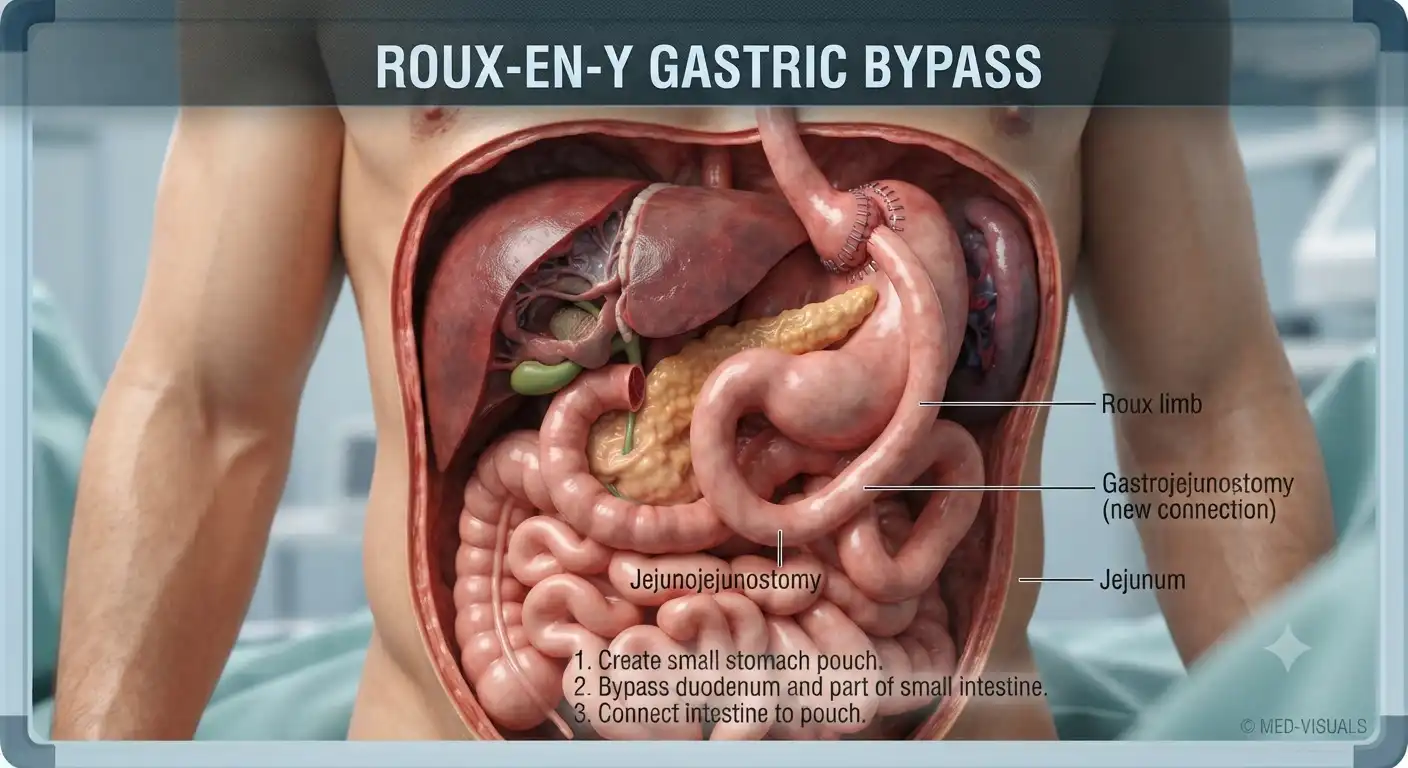
The Roux-en-Y gastric bypass involves creating a small stomach pouch and connecting it directly to the small intestine. This dual-action approach restricts the amount of food you can consume while simultaneously reducing calorie absorption, leading to rapid and effective weight reduction for eligible patients.
The surgery is usually performed using laparoscopic, or minimally invasive, techniques. This means small cuts instead of one large incision, which leads to less pain and a faster recovery.
Here is a simple breakdown of the steps involved:
- The surgeon creates a small pouch from the upper part of the stomach.
- A section of the small intestine is connected to this new pouch.
- Food now bypasses most of the stomach and the first part of the intestine.
- This limits how much food you can eat and how many calories your body absorbs.
The entire operation usually takes between two and three hours. Most patients stay under general anesthesia during the surgery and wake up in a recovery room under close monitoring.
Because the stomach becomes much smaller, patients feel full after eating only a small amount of food. Over time, this leads to steady and lasting weight loss.
More importantly, examining LASIK Eye Surgery in Iran highlights eligibility requirements and recovery details that often determine whether laser vision correction is truly the right choice for your eyes.
Gastric Bypass vs. Mini Gastric Bypass: Key Differences
Choosing the right procedure depends on your unique anatomy and weight loss objectives. The table below outlines the primary differences to help you understand your options:
| Feature | Standard Gastric Bypass | Mini Gastric Bypass |
|---|---|---|
| Complexity | Higher | Lower |
| Recovery Time | Slightly longer | Shorter |
| Primary Mechanism | Restriction & Malabsorption | Restriction & Partial Malabsorption |
| Surgery Duration | 2-3 hours | 1-2 hours |
| Reversibility | More complex to reverse | Easier to reverse |
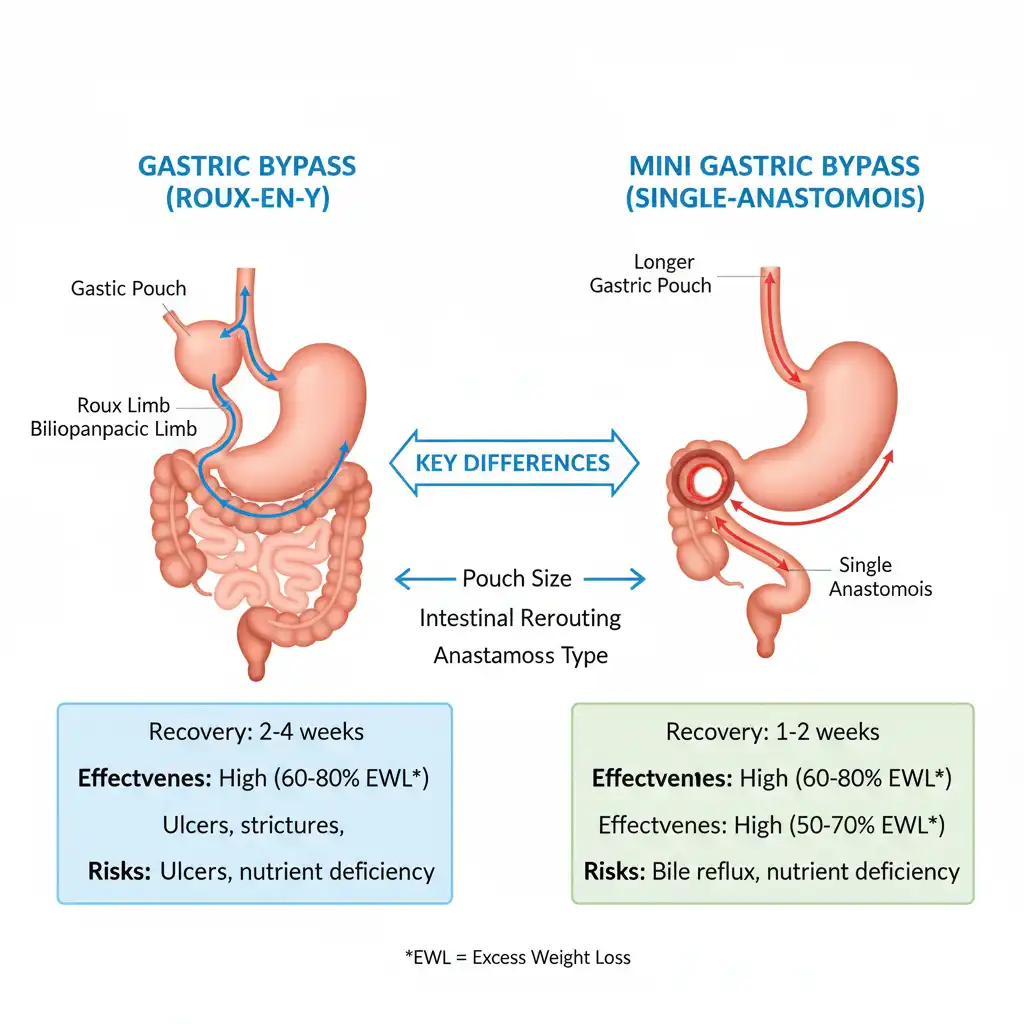
Standard gastric bypass has two connections in the intestine, which makes it a longer and more technical surgery. Mini gastric bypass has only one connection, which makes the operation faster and simpler.
Both procedures lead to strong weight loss results. Your surgeon will help you decide which option fits your body type, health condition, and personal goals.
Patients often ask which method is better. In truth, there is no single answer. The best choice depends on your BMI, medical history, and the recommendation of your bariatric surgeon in Iran.
Benefits of Choosing Gastric Bypass in Iran
Patients choosing Iran for bariatric surgery benefit from a blend of high-quality medical standards and exceptional affordability. Through our dedicated services at Medical Tourism in Iran, we ensure that international patients receive personalized care packages that include pre-op consultations, premium hospital facilities in cities like Tehran or Ahvaz, and dedicated recovery support.
There are many reasons why patients from Arab countries choose gastric bypass in Iran over other destinations:
- Lower cost without any drop in medical quality
- Short waiting times compared to hospitals in Europe
- Experienced surgeons trained in modern bariatric techniques
- Modern hospitals equipped with the latest surgical technology
- Cultural closeness and easy travel from Arab countries
- Full support services, including translators and travel help
Many patients also mention the warm hospitality they receive in Iran. Hospital staff are trained to make international patients feel comfortable throughout their stay.
When you combine affordable pricing with skilled surgeons and strong aftercare, Iran becomes a smart and practical choice for gastric bypass surgery.
What to Expect During Gastric Bypass Recovery
Recovery is a critical phase that requires adherence to medical guidance and gradual lifestyle adjustments. Most patients remain in the hospital for 2–3 days following the surgery, with a return to light daily activities typically possible within two weeks, provided that post-operative wound care and mobility instructions are followed strictly.
In the first few days after surgery, your medical team will monitor your vital signs and manage any pain with medication. Walking is encouraged early on to help prevent blood clots and speed up healing.
Here is a general recovery timeline:
- Days 1-3: Hospital stay with close monitoring and pain management.
- Week 1-2: Rest at home with light walking and a liquid diet.
- Week 3-4: Gradual return to normal daily tasks and soft foods.
- Month 2-3: Return to work and moderate physical activity.
Every patient heals at a different pace. Some people feel ready to travel home after ten days, while others may need a bit more time before flying.
Following your surgeon’s instructions closely during this period is one of the most important factors in a smooth and safe recovery from gastric bypass in Iran.

Also, exploring Dental Veneers in Iran reveals how material selection, smile design, and treatment planning can dramatically affect both aesthetics and durability over the years.
Managing Your Diet Post-Gastric Bypass
Transitioning to a new nutritional plan is essential for long-term health and preventing complications after your surgery.
- Phase 1: Clear liquid diet for the first few days post-op.
- Phase 2: Pureed foods focusing on high-protein intake.
- Phase 3: Gradual introduction of soft foods (cooked vegetables, lean proteins).
- Phase 4: Solid food diet with careful portion control and nutrient density.
During Phase 1, patients drink water, broth, and sugar-free liquids. This gives the new stomach pouch time to heal without stress.
In Phase 2, foods are blended into a smooth texture. Protein shakes and pureed meats are common choices to support healing and muscle strength.
Phase 3 introduces soft, easy-to-chew foods. Patients should eat slowly and chew thoroughly to avoid discomfort or blockage.
By Phase 4, most patients return to regular solid foods. However, portion sizes remain small for the rest of their lives, since the new stomach pouch cannot hold large amounts of food.
Throughout every phase, staying hydrated and eating enough protein are the two most important habits for a successful recovery.
Building on this, evaluating Sleeve Gastrectomy in Iran vs Iraq highlights important distinctions in expertise, costs, and patient outcomes that often influence where people ultimately choose to undergo surgery.
Potential Risks and Complications of Gastric Bypass Surgery
As with any major surgery, it is important to be fully informed about potential risks.
Immediate Risks of Gastric Bypass Surgery
While rare, these may include infection, bleeding, or reactions to anesthesia. Our partner clinics maintain high safety protocols to minimize these occurrences.
Other short-term risks can include blood clots or leaks at the surgical connection site. Skilled surgeons and modern hospital equipment greatly reduce the chances of these problems.
Long-Term Complications of Gastric Bypass Surgery
Potential long-term concerns include vitamin deficiencies or dumping syndrome. With proper nutritional follow-up and regular medical monitoring provided by our teams in Iran, these risks are effectively managed and prevented.
Dumping syndrome happens when food moves too quickly into the small intestine. This can cause nausea, dizziness, or stomach cramps after eating certain foods, especially sugar.
Regular blood tests and checkups help catch any nutrient deficiency early. This is why lifelong follow-up care is such an important part of gastric bypass treatment.
Related Article: Dental Implants vs Bridges
Essential Vitamins and Nutrition After Gastric Bypass
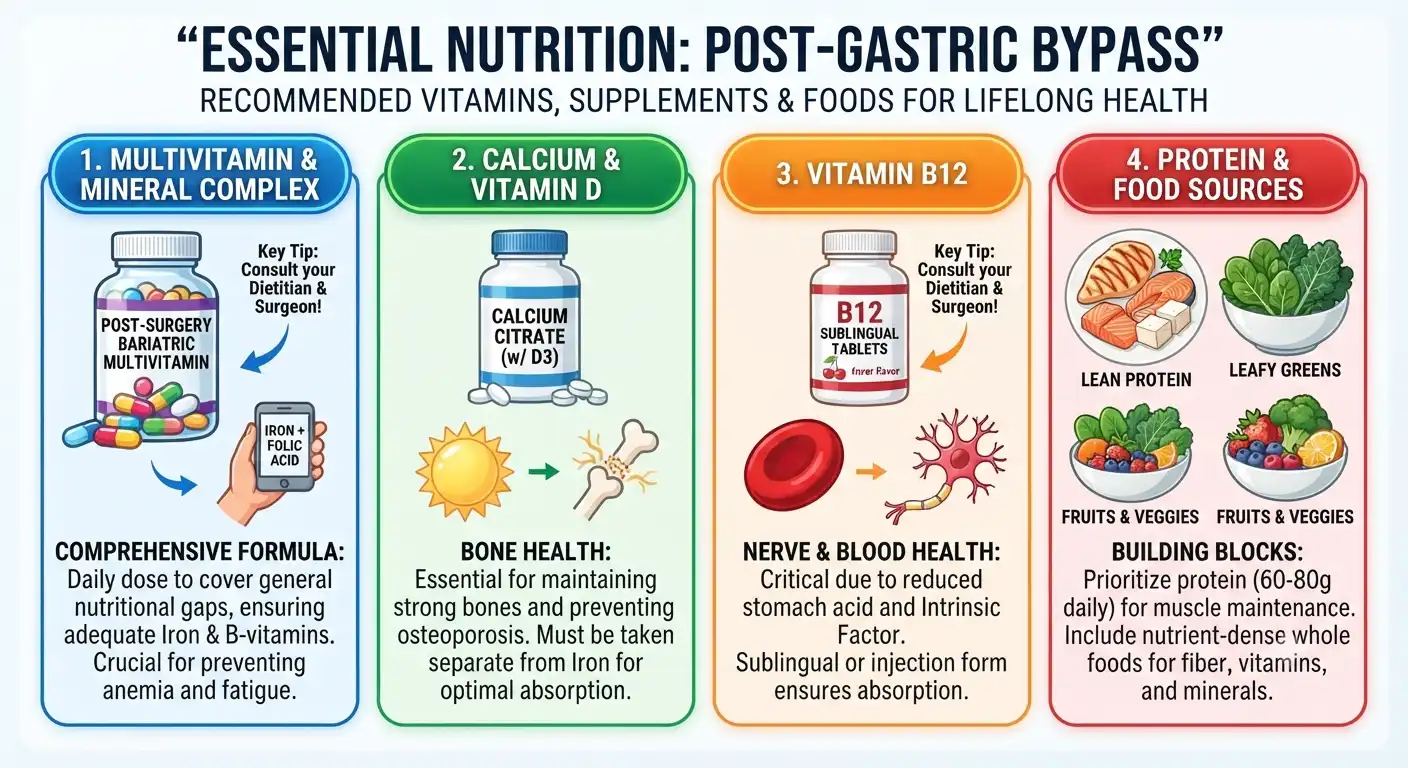
Due to the change in nutrient absorption, lifelong supplementation is required to maintain optimal health. Patients must consistently track their intake of:
- Vitamin B12: Essential for nerve health and energy.
- Calcium and Vitamin D: Critical for maintaining bone density.
- Iron: Necessary to prevent anemia following metabolic changes.
In addition to these three, many surgeons also recommend a daily multivitamin and folic acid supplement. This helps cover any gaps in nutrition caused by the smaller stomach size.
Blood tests every few months help doctors track vitamin levels closely. If a deficiency appears, your medical team can adjust your supplement plan quickly.
Patients who follow their supplement routine closely tend to have fewer complications and better long-term health after gastric bypass in Iran.
Useful Link: Liposuction in Iran
Also, for a deeper understanding of facial rejuvenation, reviewing Dermal Fillers in Iran reveals how different filler techniques produce noticeably different outcomes depending on your aesthetic goals and facial anatomy.
Long-Term Lifestyle Changes for Weight Loss Success
Surgery is the catalyst, but lifestyle is the sustainment. Successful outcomes are linked to consistent physical activity, regular follow-up appointments with your medical team, and behavioral health support to manage the emotional aspects of rapid weight loss.
Building new habits takes time. Most successful patients focus on a few key areas after their gastric bypass surgery:
- Eating small, balanced meals throughout the day
- Drinking enough water between meals, not during them
- Exercising regularly, starting with light walking
- Attending all follow-up appointments with your surgeon
- Seeking support for emotional changes linked to rapid weight loss
Weight loss surgery changes the body quickly, but it also affects emotions and self-image. Some patients benefit from talking to a counselor or joining a support group during this adjustment period.
With the right habits and mindset, the results from gastric bypass in Iran can last for many years.
Furthermore, examining Knee Replacement in Iran reveals how rehabilitation, implant selection, and surgical expertise collectively influence mobility long after the procedure is completed.
How Long Does Gastric Bypass in Iran Last?
The weight loss results from gastric bypass are intended to be permanent, provided the patient maintains recommended lifestyle changes. Most patients report significant weight loss within the first 12–18 months, with lasting results over many years when paired with long-term nutritional adherence.
During the first year, weight loss is usually the fastest. Many patients lose 60 to 80 percent of their excess weight during this period.
After the first 18 months, weight loss tends to slow down and stabilize. This is the point where healthy habits become most important for keeping the weight off long term.
Some patients may regain a small amount of weight over the years. This is normal, but staying active and following the diet plan helps keep long-term results steady and strong.
Also, reviewing Glaucoma Surgery in Iran explains why treatment timing, surgical techniques, and long-term eye health are more closely connected than many people initially realize.
Cost of Gastric Bypass in Iran vs. Other Countries
Iran offers a highly competitive price advantage compared to the US, Europe, or other regional hubs without compromising on medical expertise.
| Destination | Estimated Cost Range | Quality Level |
|---|---|---|
| United States | $20,000 – $35,000 | High |
| Iran | $3,500 – $6,000 | High |
| Western Europe | $15,000 – $25,000 | High |
The price difference is significant, often saving patients 70 to 80 percent compared to Western countries. This makes gastric bypass in Iran an attractive option for patients who want quality care without the high price tag.
The lower cost in Iran comes from lower operating expenses, not lower quality. Hospitals use the same modern equipment and techniques found in top clinics around the world.
Most price packages in Iran include the surgery, hospital stay, and basic aftercare. It is important to ask your medical tourism partner for a full breakdown of costs before booking your trip.
Post-Surgery Support and Aftercare in Iran
Comprehensive aftercare is the cornerstone of a successful surgery. Our clinics in Tehran and Ahvaz offer structured follow-up programs, including dietary counseling, physical therapy coordination, and 24/7 access to medical professionals to ensure a seamless recovery process for all our international patients.
Good aftercare does not stop when you leave the hospital. It continues through phone consultations, dietary plans, and regular check-ins even after you return home.
Key aftercare services typically include:
- Personalized meal plans for each recovery phase
- Access to a dietitian for ongoing nutrition support
- Video consultations with your surgeon after you return home
- Emergency contact support for any urgent concerns
- Guidance on supplements and vitamin tracking
This level of support gives international patients peace of mind. Even from a different country, you can stay connected with your medical team in Iran throughout your recovery.
Why MedexaTrip is Your Best Partner for Gastric Bypass in Iran
At MedexaTrip, we bridge the gap between world-class medical facilities and patients seeking affordable, life-saving weight loss surgery. We provide end-to-end management, from selecting the best surgeon in Iran to arranging your hospital stay and recovery logistics, ensuring your health journey is stress-free and successful.
Our team handles every detail of your medical trip, so you can focus on your health and recovery. This includes:
- Matching you with a qualified bariatric surgeon in Tehran or Ahvaz
- Arranging hospital admission and pre-op testing
- Booking accommodation close to your treatment center
- Providing translation support in Arabic and English
- Coordinating airport transfers and local transportation
We understand that traveling abroad for surgery can feel overwhelming. That is why our team stays in close contact with you before, during, and after your gastric bypass in Iran.
With MedexaTrip, you are never alone in this journey. From your first consultation to your final follow-up, our goal is to make your experience smooth, safe, and successful.
Frequently Asked Questions About Gastric Bypass
Is gastric bypass surgery painful?
Most patients experience mild to moderate discomfort during the first few days after surgery. Pain is usually well managed with medication, and it gradually improves as you recover.
Will I have loose skin after losing weight?
Loose skin can occur after significant weight loss, especially if you lose weight quickly. The amount varies from person to person and depends on factors such as age, skin elasticity, and the amount of weight lost.
How soon can I travel after surgery?
Most surgeons recommend staying in Iran for 7 to 10 days after gastric bypass surgery. This allows enough time for follow-up appointments and ensures you are recovering well before flying home.
Can I get pregnant after gastric bypass?
Yes, pregnancy is possible after gastric bypass. However, doctors usually recommend waiting 12 to 18 months before trying to conceive, giving your body enough time to recover and your weight to stabilize.
Will I need to take vitamins and supplements?
Yes. Because gastric bypass changes how your body absorbs nutrients, you’ll need to take vitamin and mineral supplements for life to help prevent nutritional deficiencies.
Is gastric bypass surgery reversible?
Although gastric bypass can be reversed in certain situations, it is a complex procedure and is only considered when medically necessary. For most patients, it should be viewed as a permanent weight-loss surgery.
How to Start Your Transformation with MedexaTrip
Embarking on your weight loss journey is simple. Reach out to the MedexaTrip team today to schedule your virtual consultation with top-tier bariatric surgeons in Iran, and let us handle the complexities of your medical travel arrangements so you can focus entirely on your health.
The process usually starts with a short online form or a phone call. From there, our team reviews your medical history and connects you with a suitable surgeon.
Once your surgery date is confirmed, we help you plan your travel, accommodation, and hospital admission. Every step is designed to make your experience simple and stress-free.
Your new life starts with a single step. Contact MedexaTrip today and take the first move toward a healthier future through gastric bypass in Iran.
Summary: Gastric Bypass Surgery in Iran
Gastric bypass surgery in Iran offers a safe, affordable, and highly effective solution for those struggling with obesity. By leveraging expert surgical care in major cities like Tehran and Ahvaz, combined with professional support from MedexaTrip, patients can confidently move toward a healthier, more vibrant future.
From choosing the right surgeon to managing your post-surgery diet, every step of this journey matters. With the right medical team and a strong commitment to lifestyle change, gastric bypass in Iran can be the turning point toward lasting health and confidence.