Are you trying to decide between gastric sleeve and gastric bypass for your weight loss treatment? Which surgery gives faster and safer results for your body type and health history? If you are searching for the difference between gastric sleeve and gastric bypass, you are already on the right path toward a healthier life.
Choosing the right weight loss surgery is one of the biggest health decisions a person can make. This weight loss surgery comparison will walk you through every important detail, from how each procedure works to recovery time, cost, and long-term results. By the end, you will understand exactly which option fits your needs.
Building on this, choosing the best health tourism company in Iran often determines how smoothly every stage of your treatment unfolds, revealing practical details that many patients only discover after comparing trusted providers firsthand.
Top-Rated Bariatric Surgeons in Iran
Finding a skilled and trustworthy surgeon is the most important step before any bariatric procedure. MedexaTrip connects international patients with the best bariatric surgeons in Tehran and Ahvaz, two cities known for advanced hospitals, modern equipment, and highly trained medical teams. Every surgeon in the MedexaTrip network has years of experience in both gastric sleeve and gastric bypass procedures, offering patients safe and reliable weight loss surgery in Iran.
As the leading facilitator for medical tourism in Iran, MedexaTrip handles every part of your treatment. From the first consultation to airport pickup, hotel booking, translation support, and post-surgery follow-up, MedexaTrip bariatric services are designed to remove stress from your treatment. Patients from Arab countries and beyond choose MedexaTrip because it offers world-class care at a fraction of Western prices, without long waiting lists.

Also, reviewing Gastric Sleeve In Iran reveals important factors beyond weight loss itself, including patient eligibility, recovery milestones, and the lifestyle adjustments that determine lasting success.
What is Gastric Sleeve Surgery?
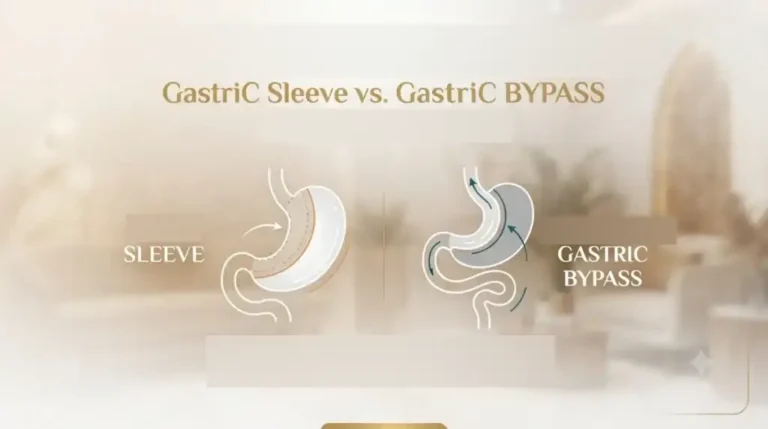
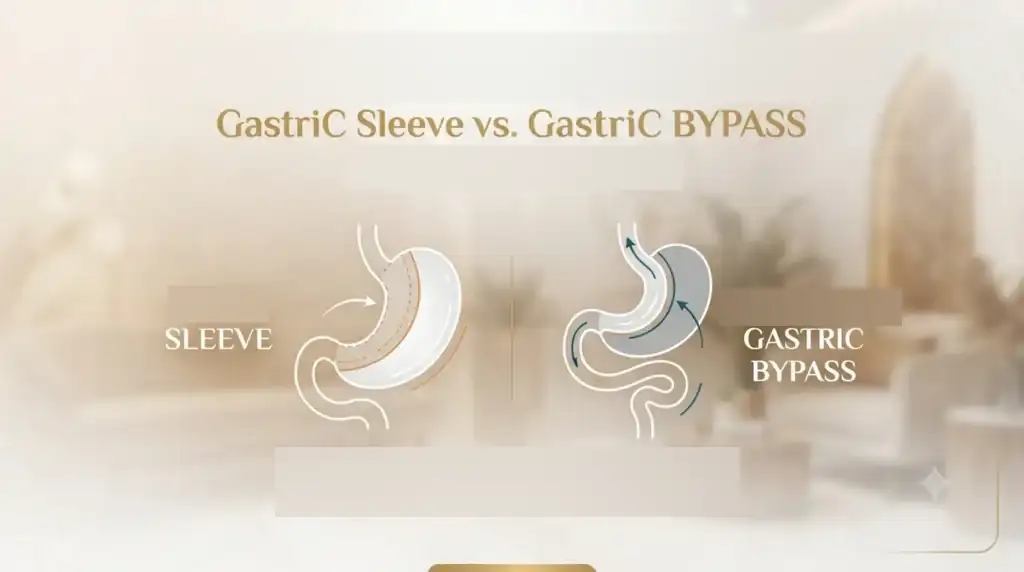
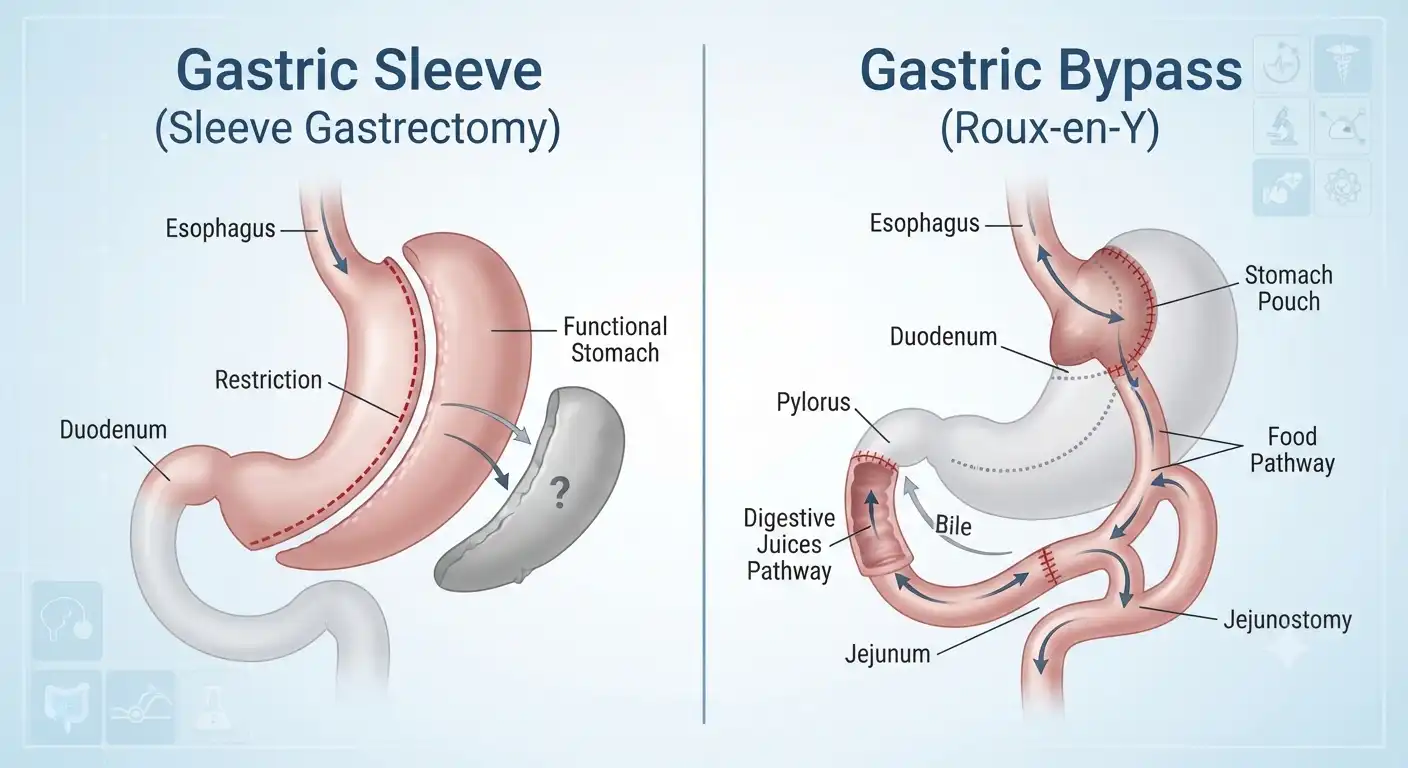
Gastric sleeve surgery, also called sleeve gastrectomy procedure, is a weight loss operation that removes about 75 to 80 percent of the stomach. What is gastric sleeve surgery in simple terms? The surgeon shapes the remaining stomach into a narrow tube, similar to a banana. This smaller stomach holds much less food, so patients feel full faster and eat smaller portions. The surgery also lowers the hormone that triggers hunger, which helps reduce appetite naturally. It is performed using small incisions and a camera, known as laparoscopic surgery, which means less pain and a quicker return to daily life.
To better understand body contouring options, exploring Liposuction in Iran explains which areas respond best to treatment and why realistic expectations play a crucial role in achieving satisfying results.
What is Gastric Bypass?
What is gastric bypass surgery, and how is it different? Gastric bypass, known medically as Roux-en-Y gastric bypass, is a two-step procedure. First, the surgeon creates a small pouch at the top of the stomach. Second, this pouch is connected directly to a lower part of the small intestine, bypassing most of the stomach and the first section of the intestine. This process limits how much food you can eat and reduces the number of calories and nutrients your body absorbs. Gastric bypass is often recommended for patients with a higher BMI or those with obesity-related conditions like type 2 diabetes.
This becomes even clearer when examining Facelift Surgery in Iran, where surgical techniques, recovery timelines, and expected outcomes reveal why every rejuvenation plan should be highly individualized.
Differences Between Gastric Sleeve and Gastric Bypass
Understanding the distinct mechanisms and outcomes of these procedures is vital for making an informed decision. While both surgeries are highly effective for weight loss, they differ significantly in their approach to digestion and metabolic impact. The following table provides a comprehensive comparison to help you distinguish between the two.
| Feature | Gastric Sleeve (Sleeve Gastrectomy) | Gastric Bypass (Roux-en-Y) |
|---|---|---|
| Primary Mechanism | Restrictive: Reduces stomach size | Restrictive & Malabsorptive: Reduces size & reroutes intestines |
| Anatomical Change | Removes 75–80% of the stomach | Creates small pouch; reroutes small intestine |
| Reversibility | Irreversible (stomach tissue removed) | Technically reversible (highly complex/rare) |
| Surgery Duration | Typically 60–90 minutes | Typically 2–3 hours |
| Weight Loss Speed | Steady, gradual weight loss | Rapid initial weight loss |
| Nutrient Absorption | Normal (no intestinal rerouting) | Reduced (bypasses part of the intestine) |
| Supplement Needs | Standard (multivitamins) | Lifelong, intensive supplementation |
| Diabetes Remission | Effective for many | Highly effective, often faster |
| GERD/Reflux Impact | Can worsen or trigger reflux | Often improves pre-existing reflux |
| Complexity/Risk | Lower complexity, fewer risks | Higher complexity, slight increase in risks |
| Best Candidate | Patients avoiding intestinal changes | Patients with severe obesity/metabolic issues |
To complete the picture, exploring Weight Loss surgery connects the various bariatric procedures, making it much easier to identify which treatment path matches individual health needs and goals.
Gastric Sleeve vs. Gastric Bypass: Which Surgery Leads to Faster Weight Loss?
When comparing gastric sleeve vs gastric bypass results, gastric bypass usually leads to faster weight loss in the first six to twelve months. This happens because bypass surgery limits both food intake and calorie absorption at the same time, giving the body less fuel to store as fat.
Gastric sleeve surgery still offers excellent results, but the weight loss curve is often steadier and slightly slower. Many patients reach similar long-term results with both procedures after two to three years. For fast weight loss surgery in the short term, bypass has a slight edge, but sleeve surgery catches up over time with consistent lifestyle habits.
Also, exploring Thread Lift in Iran shows why this minimally invasive procedure appeals to patients seeking noticeable facial rejuvenation without committing to traditional surgery.
Type 2 Diabetes Remission in Gastric Sleeve and Gastric Bypass
Both surgeries can help with type 2 diabetes remission, but the results are not identical. Metabolic surgery benefits go beyond weight loss and directly affect blood sugar control.
- Gastric bypass often leads to faster diabetes remission because of hormonal changes in the rerouted intestine.
- Many bypass patients see improved blood sugar within days, even before major weight loss happens.
- Gastric sleeve also improves diabetes control, though usually at a slower pace.
- Long-term studies show both surgeries can lead to lasting remission in a large percentage of patients.
- Patients with a longer history of diabetes may respond better to bypass surgery.
At the same time, comparing Sleeve Gastrectomy in Iran vs Iraq reveals distinctions in surgical expertise, pricing, and healthcare standards that many prospective patients overlook during their initial research.
Comparing Recovery Times Between Gastric Sleeve and Gastric Bypass
Recovery time is an important factor for patients traveling for medical tourism. Here is a clear comparison of the gastric sleeve recovery time and gastric bypass recovery period.
| Recovery Stage | Gastric Sleeve | Gastric Bypass |
|---|---|---|
| Hospital stay | 1 to 2 days | 2 to 3 days |
| Return to light activity | 1 week | 1 to 2 weeks |
| Return to work | 2 to 3 weeks | 3 to 4 weeks |
| Full recovery | 4 to 6 weeks | 6 to 8 weeks |
| Travel readiness | Sooner | Slightly later |
To complete the picture, exploring Hip Replacement in Iran explains when persistent joint pain reaches the point where surgery becomes the most effective path back to daily mobility.
Long-Term Supplementation for Gastric Sleeve vs. Gastric Bypass
Post-bariatric nutrition requires a lifelong commitment to ensure your body receives essential nutrients, though the intensity of this regimen varies significantly between procedures. Gastric sleeve patients generally require a standardized daily plan, typically consisting of a high-quality multivitamin, vitamin B12, and calcium. Because the digestive tract remains intact, the body continues to absorb nutrients relatively normally. However, strict adherence to these supplements is still mandatory to prevent deficiencies, maintain healthy energy levels, and support overall recovery as your body adjusts to smaller food portions over the coming years.
In contrast, gastric bypass patients must follow a much more robust supplementation strategy due to the malabsorptive nature of the procedure, where a portion of the small intestine is bypassed. This requires lifelong intake of iron, vitamin D, calcium, folate, and B12 to compensate for reduced absorption rates. Regardless of the surgery chosen, consistent medical monitoring through regular blood tests is crucial to detect early signs of deficiencies. Furthermore, prioritizing high protein intake remains a universal requirement for both procedures to preserve vital muscle mass while promoting healthy, sustainable weight loss.
Likewise, reviewing Knee Replacement in Iran reveals the factors that influence recovery speed and long-term joint function, answering questions many patients wish they had asked sooner.
Gastric Sleeve vs. Bypass: Which is Better for GERD/Reflux?
Patients with acid reflux often ask about gastric sleeve and GERD. Unfortunately, sleeve surgery can sometimes make reflux worse because the smaller stomach shape increases internal pressure. This is an important factor for anyone with a history of heartburn or GERD.
Is gastric bypass better for reflux? In most cases, yes. Because bypass reroutes food away from the lower stomach, it often reduces or completely resolves GERD symptoms. If reflux is a major concern, your surgeon may recommend bypass over sleeve for better long-term comfort.
Assessing Eligibility for Gastric Sleeve and Gastric Bypass Surgery
Bariatric surgery eligibility criteria help doctors decide who qualifies for weight loss surgery and which procedure fits best.
- BMI Requirements
- BMI of 40 or higher generally qualifies for either surgery.
- BMI of 35 to 39.9 with an obesity-related condition, such as diabetes or high blood pressure, may also qualify.
- Some clinics accept BMI as low as 30 with severe metabolic conditions.
- Medical History Factors
- History of GERD may push a patient toward gastric bypass.
- History of diabetes or metabolic syndrome often favors gastric bypass.
- Patients with no major digestive issues may be good candidates for gastric sleeve.
- Prior abdominal surgeries are reviewed carefully before choosing a procedure.
Lifestyle Changes Required After Bariatric Procedures
Life after bariatric surgery involves a fundamental, permanent transformation of your daily habits, necessitating a disciplined approach to eating and exercise that protects your surgical results and actively supports your long-term health and metabolic stability for years to come.
- Eat small, slow meals and chew food thoroughly.
- Avoid sugary drinks and high-calorie snacks.
- Prioritize protein at every meal to support healing and muscle strength.
- Stay hydrated, but avoid drinking liquids during meals.
- Follow the bariatric diet requirements set by your surgical team.
- Exercise regularly once cleared by your doctor.
- Attend all follow-up appointments and lab tests.

Additionally, exploring Clear Aligner in Iran reveals why modern orthodontic treatment extends far beyond appearance, offering practical insights into comfort, convenience, and predictable smile transformation.
Reversibility of Bariatric Procedures: Sleeve Gastrectomy vs. Bypass
The question of reversibility is a critical factor for patients considering bariatric intervention. A sleeve gastrectomy is strictly irreversible, as a significant portion of the stomach is surgically removed to create a narrow sleeve. Because this anatomical tissue cannot be replaced or reattached, patients must be fully committed to the permanent nature of this gastric reduction. This irreversible structural change is a fundamental aspect of the surgery’s design, meant to permanently limit food intake and alter hunger-regulating hormones.
In contrast, while a gastric bypass is technically reversible, the procedure to do so is exceptionally complex, highly invasive, and rarely performed. Surgeons typically only consider reversal in dire circumstances involving severe, life-threatening complications that cannot be managed through other medical means. Because of these surgical risks, experts strongly advise all candidates to view both gastric sleeve and gastric bypass as permanent, life-altering decisions. These surgeries are intended to be a lifelong commitment to improved health rather than a temporary or easily undone quick fix.
This becomes even clearer when examining Facelift Surgery in Iran, where surgical techniques, recovery timelines, and expected outcomes reveal why every rejuvenation plan should be highly individualized.
Cost Analysis: Financial Differences Between Gastric Sleeve and Bypass
The cost of a gastric sleeve in Iran is generally more affordable than a gastric bypass because the procedure is shorter and less surgically complex. When conducting a gastric bypass price comparison between medical services in Iran and those in Western or neighboring Arab countries, patients often realize massive savings, frequently between 70% to 80%, without any compromise in surgical quality or safety standards.
Beyond the initial operation, patients should consider the broader financial landscape of these weight-loss procedures. While the upfront investment and ongoing nutritional requirements differ between the two surgeries, both options serve as a long-term investment that significantly reduces future healthcare spending on obesity-related conditions, such as Type 2 diabetes and heart disease.
| Feature | Gastric Sleeve | Gastric Bypass |
|---|---|---|
| Initial Surgical Cost | Generally Lower | Generally Higher |
| Long-term Supplements | Moderate requirement | Higher requirement |
| Complexity | Less complex | More complex |
| Financial Value | High efficiency | High metabolic value |
| Savings in Iran | Significant vs. Western costs | Significant vs. Western costs |
Choosing Between Gastric Sleeve and Gastric Bypass: Expert Guide
Choosing the right weight loss surgery depends on your BMI, medical history, lifestyle, and personal goals. If you have GERD or type 2 diabetes, gastric bypass may offer stronger benefits. If you prefer a simpler procedure with fewer nutrient concerns, gastric sleeve could be the better fit.
The best way to decide is through a proper bariatric surgery consultation with an experienced surgeon. Every body is different, and a personalized medical evaluation ensures you choose the safest and most effective path toward lasting weight loss.
Why Choose MedexaTrip for Gastric Sleeve or Gastric Bypass in Iran
MedexaTrip medical tourism services give international patients access to some of the best hospitals and surgeons in the region. Tehran and Ahvaz offer high-tech facilities equipped with the latest bariatric technology, combined with skilled surgical teams trained in international standards. This makes bariatric surgery in Iran for international patients both safe and affordable.
Beyond the operating room, MedexaTrip offers full support throughout the entire journey, including translation, hotel arrangements, transportation, and aftercare guidance. Whether you choose gastric sleeve or gastric bypass, MedexaTrip ensures a smooth, comfortable, and medically supervised experience from your first phone call to your final follow-up appointment.

Post-Operative Follow-Up and Long-Term Weight Maintenance
Bariatric post-op follow-up is essential for both gastric sleeve and gastric bypass patients. Regular check-ups allow your medical team to monitor healing, track weight loss progress, and catch any nutrient deficiencies before they become serious problems.
Long-term weight maintenance after surgery depends on consistent habits, not just the operation itself. Patients who stay in contact with our surgical team, follow dietary guidelines, and stay physically active tend to maintain their results for many years. MedexaTrip supports patients with remote follow-up options even after returning home.
Beyond that, understanding how Dermal Fillers in Iran are tailored for different facial concerns reveals treatment possibilities that many people mistakenly assume require cosmetic surgery instead.
FAQs About Gastric Sleeve and Gastric Bypass Surgery
Here are answers to common questions gastric bypass and gastric sleeve patients often ask.
| Question | Answer |
|---|---|
| Which surgery is safer? | Gastric sleeve generally has a lower complication rate. |
| Which surgery loses weight faster? | Gastric bypass typically shows faster results in year one. |
| Can I get pregnant after surgery? | Yes, but doctors recommend waiting 12 to 18 months. |
| Will I need plastic surgery after? | Some patients choose skin removal surgery after major weight loss. |
| How much weight can I lose? | Most patients lose 60 to 70 percent of excess weight. |
| Is the surgery painful? | Both procedures use laparoscopic methods with manageable pain. |
| How long should I stay in Iran? | Most patients plan for 7 to 10 days including recovery. |
Summary: Gastric Sleeve vs. Gastric Bypass
Both gastric sleeve and gastric bypass are highly effective, permanent bariatric procedures designed to facilitate significant, life-changing weight loss and improve obesity-related conditions like Type 2 diabetes and hypertension. The gastric sleeve primarily focuses on restricting stomach capacity, while the gastric bypass combines this restriction with a rerouting of the digestive tract to reduce calorie absorption. Ultimately, the “best” choice is not universal; it is a deeply personal decision that depends on your individual health profile, such as the presence of acid reflux, your metabolic goals, and your commitment to lifelong nutritional supplementation.
To ensure the best possible outcome for your specific needs, it is essential to consult with an experienced bariatric team that can evaluate your medical history and lifestyle. By choosing a trusted partner like MedexaTrip, you gain access to world-class bariatric surgeons in Tehran and Ahvaz who prioritize your safety and long-term success. Whether you opt for the simplicity of the sleeve or the metabolic advantages of the bypass, your journey toward a healthier life in Iran is supported by comprehensive post-operative care and expert guidance every step of the way.